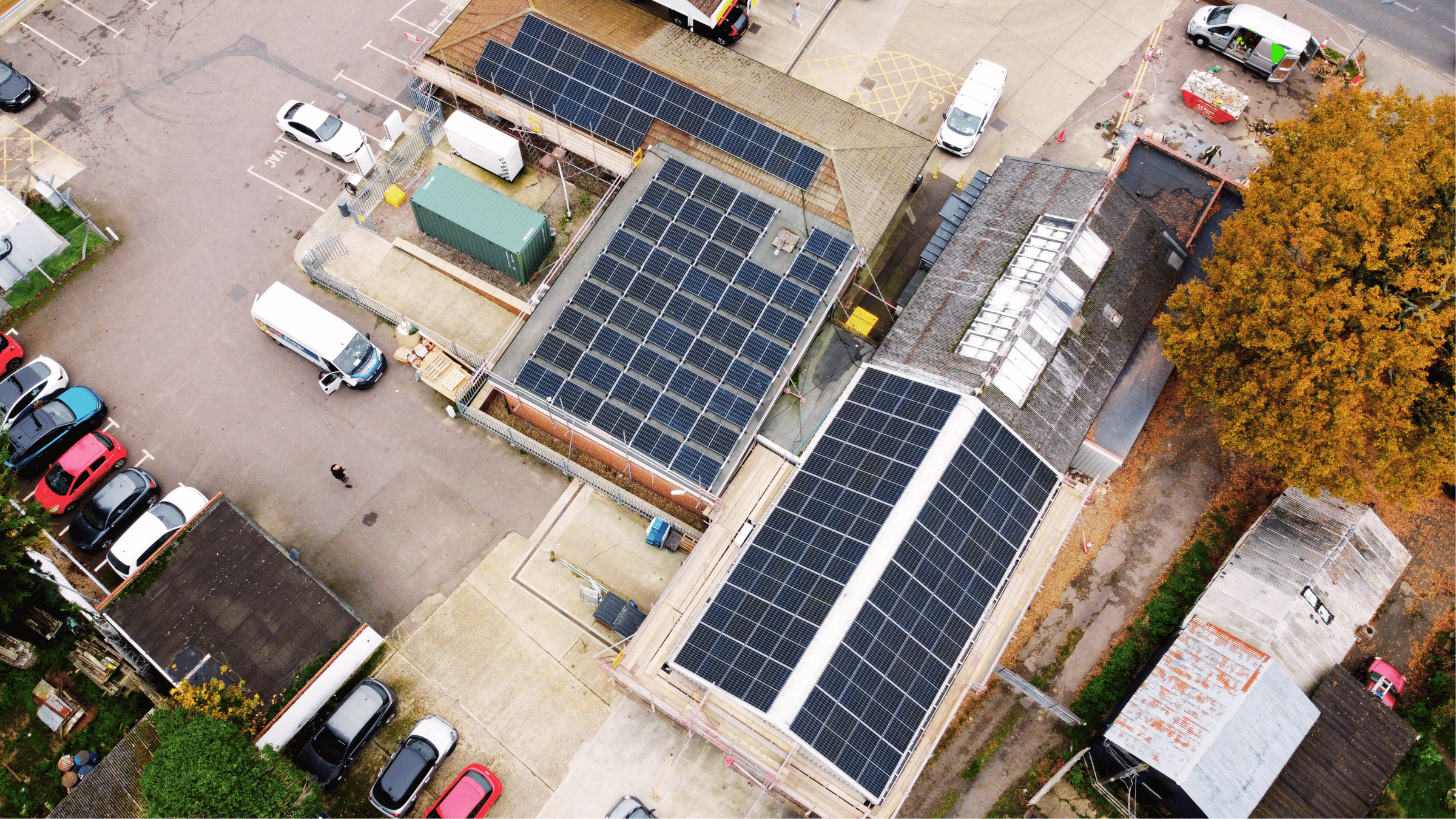
SGS Energy's home renewable energy system delivers around £2,600 in estimated annual savings
.png)

SGS Energy's home renewable energy system delivers around £2,600 in estimated annual savings
Solar PV, battery storage, low-carbon heating and EV charging for a home in Bekesbourne, Kent
SGS Energy initially installed an 11-panel, 4.85 kWp solar PV system and a 13.4 kWh home battery at the property in Bekesbourne.
When the homeowner later decided to replace their gas heating and switch to an electric car, they returned to SGS Energy for the next stage of the project. The company added a 10 kW Mitsubishi Ecodan air-source heat pump and an electric vehicle charger, expanding the original solar-and-battery system into a more comprehensive home energy setup.
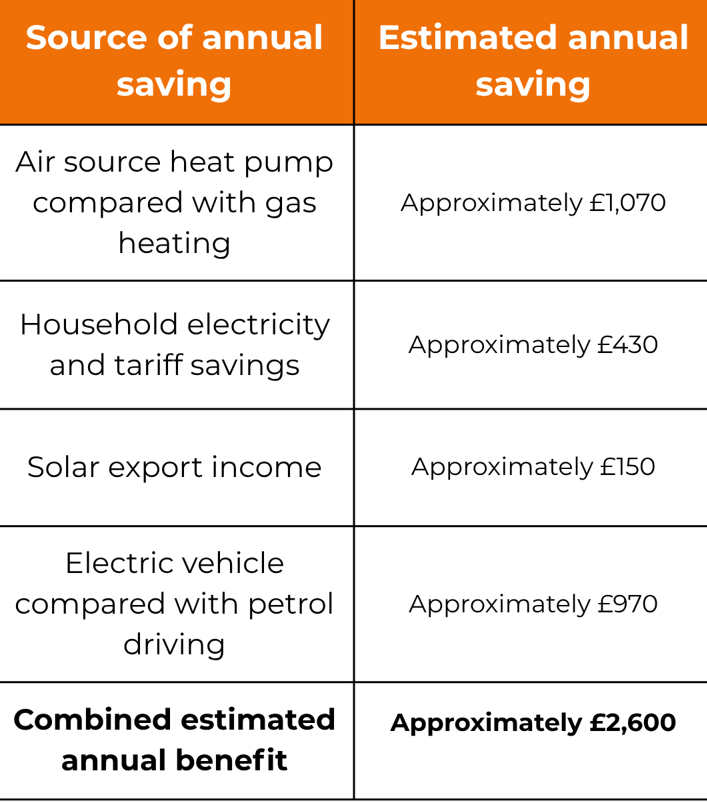
After reviewing the available annual performance data, the homeowner estimated that the combined technologies could reduce annual running costs by around £2,600, based on their recorded energy use, tariffs and comparison assumptions.
The project demonstrates how a home energy system can evolve in stages, with each upgrade building on and supporting the last.
Key wins
- A coordinated low-carbon upgrade: SGS Energy installed solar generation, battery storage, electric heating and EV charging through a phased upgrade of the property.
- Estimated annual savings: Based on a full year of recorded energy use and the homeowner’s tariff assumptions, the combined technologies were estimated to save the household around £2,600 a year.
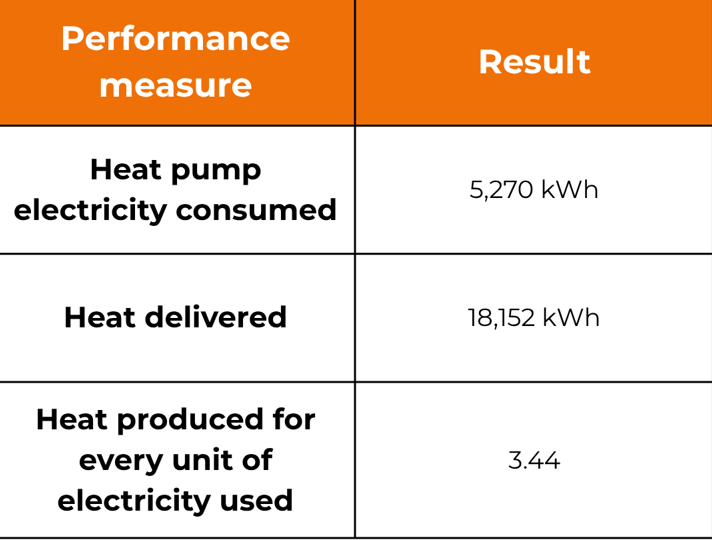
- Strong air source heat pump performance: The air source heat pump supplied more than three times as much heat energy as the electrical energy it used, achieving an average annual efficiency ratio of 3.44.
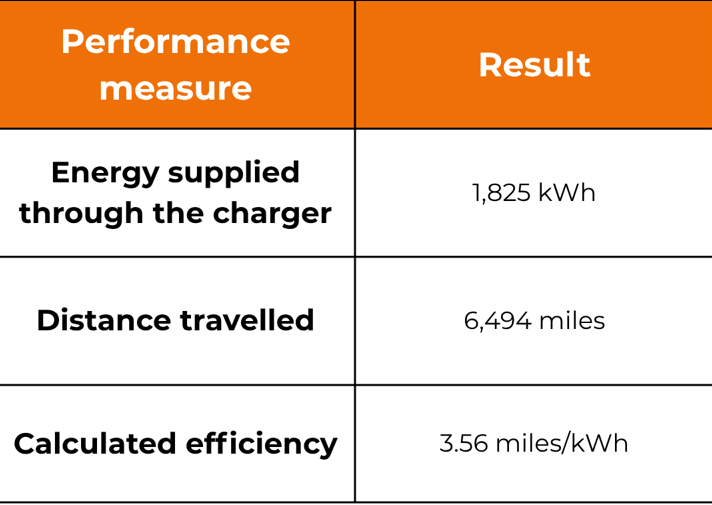
- Efficient electric driving: The homeowner drove 6,494 miles over the year. For every unit of electricity used to charge the car, it travelled around 3.6 miles, providing an efficient and practical way to power everyday journeys from home.
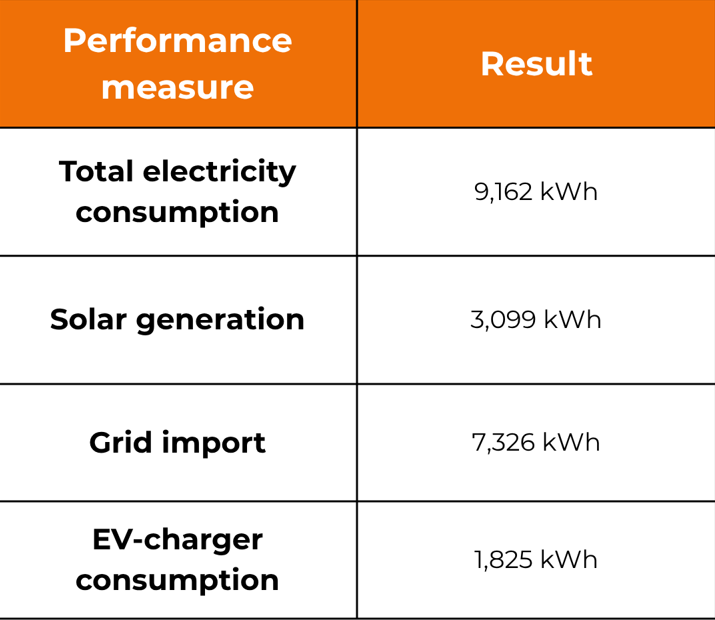
- Productive solar generation: Over the year, the solar panels generated 3,099 kWh. That's the equivalent to around one-third of the property’s total annual electricity consumption.
- Smarter use of stored electricity: When fully charged, the 13.4 kWh battery holds roughly enough energy to cover about half a day of this household’s average electricity use. In practice, it helps carry the home through the evening and overnight, using stored solar power or electricity bought during cheaper tariff periods.
- Lower carbon emissions: Based on the homeowner’s energy use and mileage, the upgrades are estimated to cut annual emissions by around 4.2 tonnes of CO₂e. That's roughly a 78% reduction.
Bespoke air source heat pump design, down to the smallest detail
Sized for the home’s needs
Each home presents different technical and practical challenges. For this project, SGS Energy’s Director and Co-Owner, Matt, began with a detailed room-by-room heat loss survey, ensuring the heat pump system was designed around the actual heating requirements of the property.
Designed with aesthetics in mind
The homeowner also placed a high priority on aesthetics. To accommodate this, SGS Energy used specialist trunking to conceal external pipework, while the outdoor unit was positioned at the far end of the house rather than directly behind the former boiler location. This kept it away from the main garden and placed it discreetly beside the area used for grass cuttings and compost.
Going the extra mile
Achieving this result required multiple visits, careful route planning and ongoing consultation with the customer. It reflects the SGS Energy approach, bringing technical expertise and thoughtful attention to every stage of a complex installation to deliver outstanding performance with a discreet, refined finish.
Real-world performance and estimated savings
Estimated annual financial impact
The homeowner used current tariffs, recorded energy consumption and comparison assumptions to estimate the annual financial benefit of each element of the home renewable energy system:
Whole-property electricity performance
The following customer-supplied figures cover the period from 1 May 2025 to 30 April 2026:
Air source heat pump performance
The following figures cover 2025:
Electric vehicle performance
The following customer-supplied figures cover the period from 1 May 2025 to 30 April 2026:
The impact of a whole-home energy system
By combining solar generation, battery storage, low-carbon heating and EV charging, this home has reduced its energy costs and operational carbon emissions.
Based on a full year of customer-supplied monitoring data and energy records, the system delivered:
- Around £2,600 in estimated annual financial benefits
- Approximately 4.2 tonnes less CO₂e each year
- 3,099 kWh of solar electricity generated
- 18,152 kWh of heat delivered, with the heat pump producing 3.44 units of heat for every unit of electricity used
- 6,494 miles of electric driving powered through the home charger
The project was completed in stages, with each upgrade planned to support the next. This allowed the homeowner to build a coordinated energy system over time rather than making every change at once.
Client testimonial
"I am fussy, yes I wanted a turn key project but I also wished to be involved as I wanted the installation to look like an original part of the house not a retro fit with exposed wires and pipes. I also wanted to be involved in the choice of appliances, their location and the routing of cables and pipe work. The team at SGS provided me with information and guidance and kept me involved throughout. The systems were delivered and the work was completed to a very high standard meeting my request for an original look fitting. The SGS team both at Head Office and those that worked at the house were excellent and pleasant to have around the house, plus the aftercare has been excellent." - James Turner, Homeowner
Gallery

.jpg)