MCS-certified solar panel installers in Kent
Expert solar panel installation for Kent homes
Domestic solar installation in Kent
Home solar PV system
Solar panels
Domestic solar panel installation in Kent
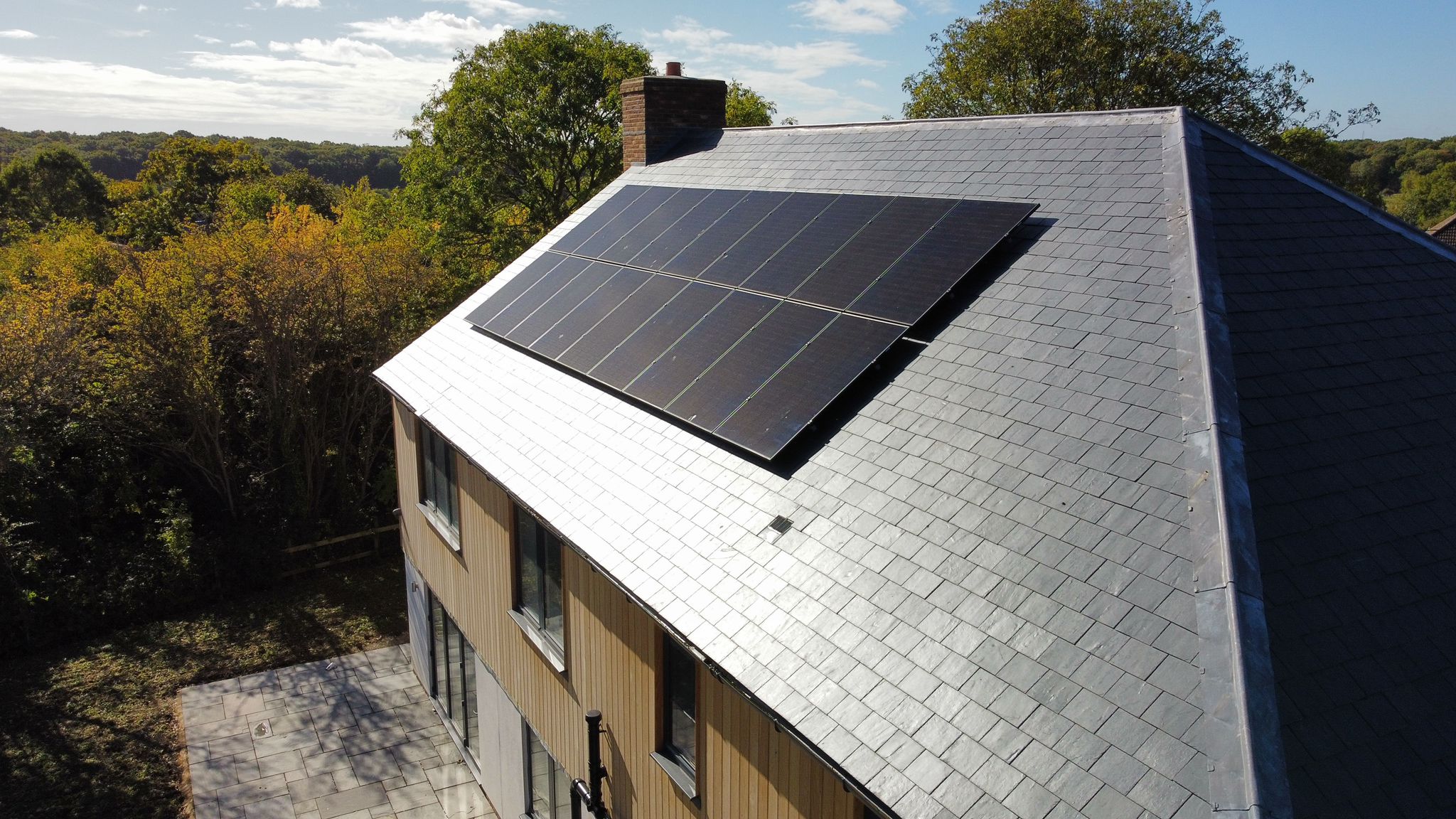
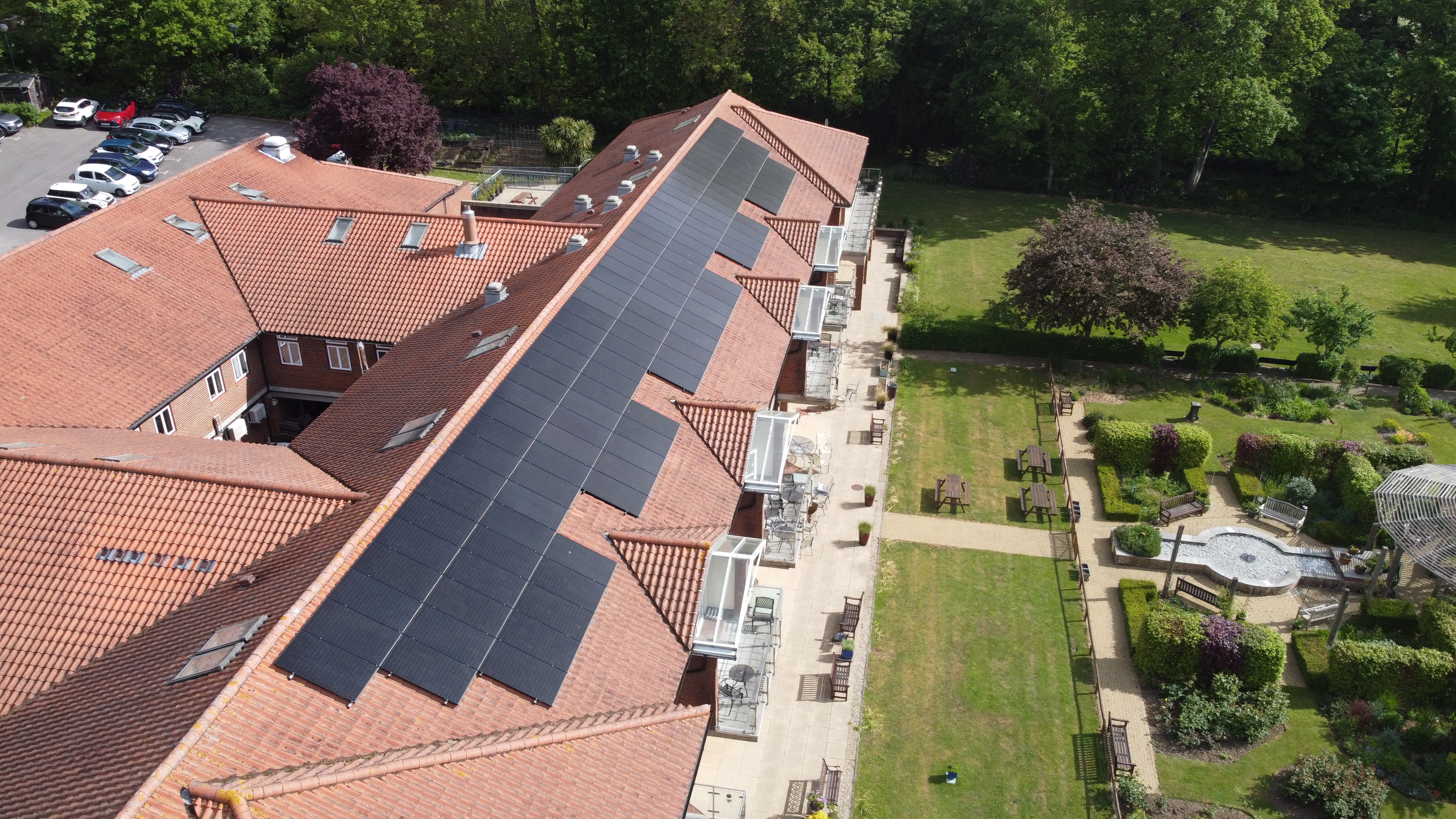
Turn your roof into a source of cleaner energy with a solar PV system designed for your home and installed by SGS Energy's MCS-certified team.
500+
Solar installations completed.
16+
Years of experience.
98%
Customer satisfaction rate.
2.3M+ kg
CO₂ emissions saved with solar
Why Kent homeowners pick SGS Energy...

Your solar PV system, designed and fitted by award-winning Kent installers

From quote to aftercare in five straightforward steps.

1. Submit your solar enquiry

Start with a quick enquiry. Our solar specialists will review it and get back to you within 48 hours, often sooner.

2. Get your custom solar design

Our expertly trained, in-house designers create a bespoke solar system and quote tailored to your home, then send it over for you to review in your own time.

3. Free pre-installation check

Before installation, we may arrange a free home visit to confirm the final details and make sure everything is ready for a smooth install. It’s also the perfect opportunity to ask any last questions before work begins.

4. Installation day

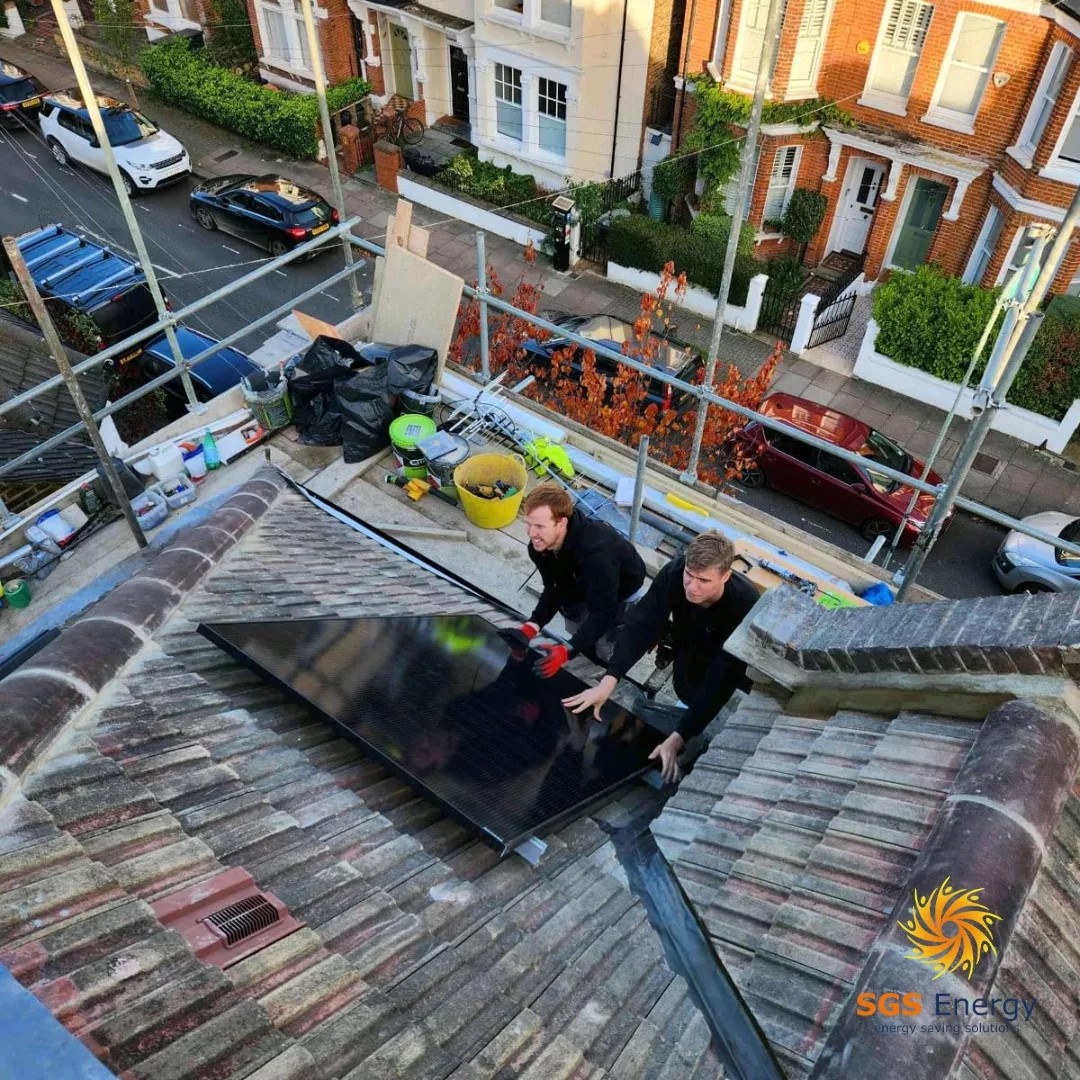
Our qualified team will arrive ready to bring your solar system to life, working carefully to keep disruption to a minimum and install everything to a high standard.

5. Annual solar servicing

Our annual service plan includes a yearly check-up to help keep your solar system running smoothly and give you confidence for the year ahead.

QUALITY, COMPLIANCE & ACCREDITATIONS

Trusted by those who set the standards.

15

Accreditations, certifications and awards

11

Industry accreditations and certifications

3

International ISO standards

4

Industry awards

Awards & Certifications

B Corp CertifiedB Corp
TrustMark CertifiedTRUSTMark
MCS Certified InstallerMCS Certified
NAPIT AccreditedNAPIT
SGS ENERGY'S OTHER SERVICES
Get more from your solar PV with other energy-saving technologies and annual servicing...
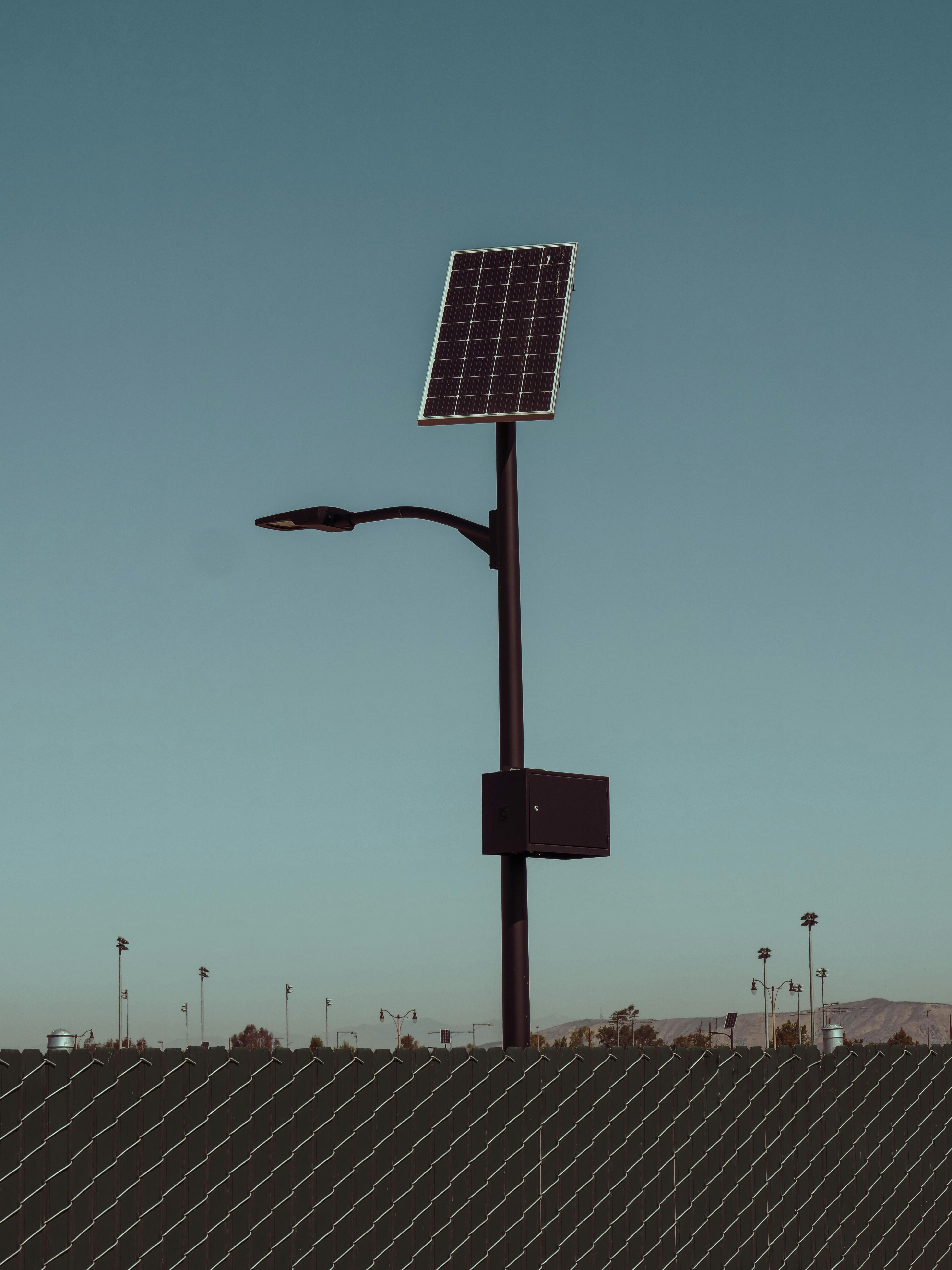
Solar PV
Home and commercial solar PV installation, planned around your roof, energy use and future needs.
Battery Storage
Store excess solar energy and reduce grid dependency, protecting against rising energy prices.
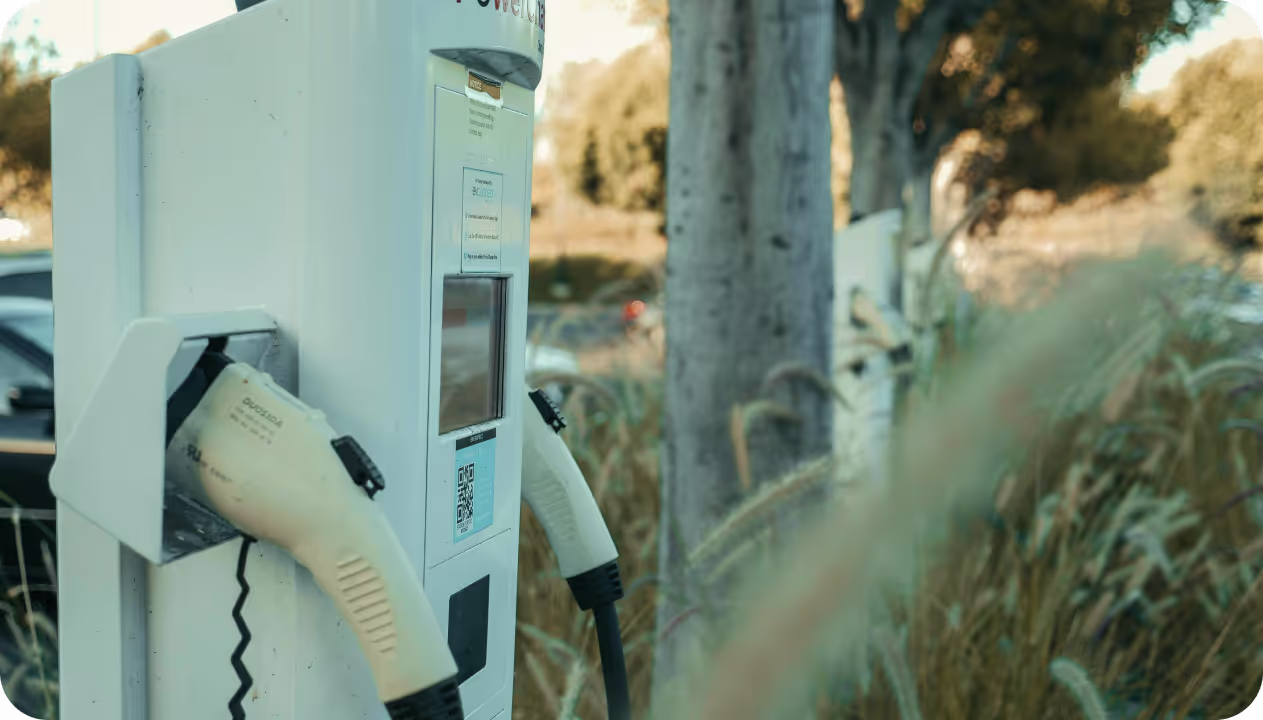
EV Charging
EV charging for homes and workplaces, designed around your property and installed safely by qualified electricians.
MVHR
MVHR systems that bring fresh air into your property while recovering heat that would otherwise be lost.
Thermal Energy Storage
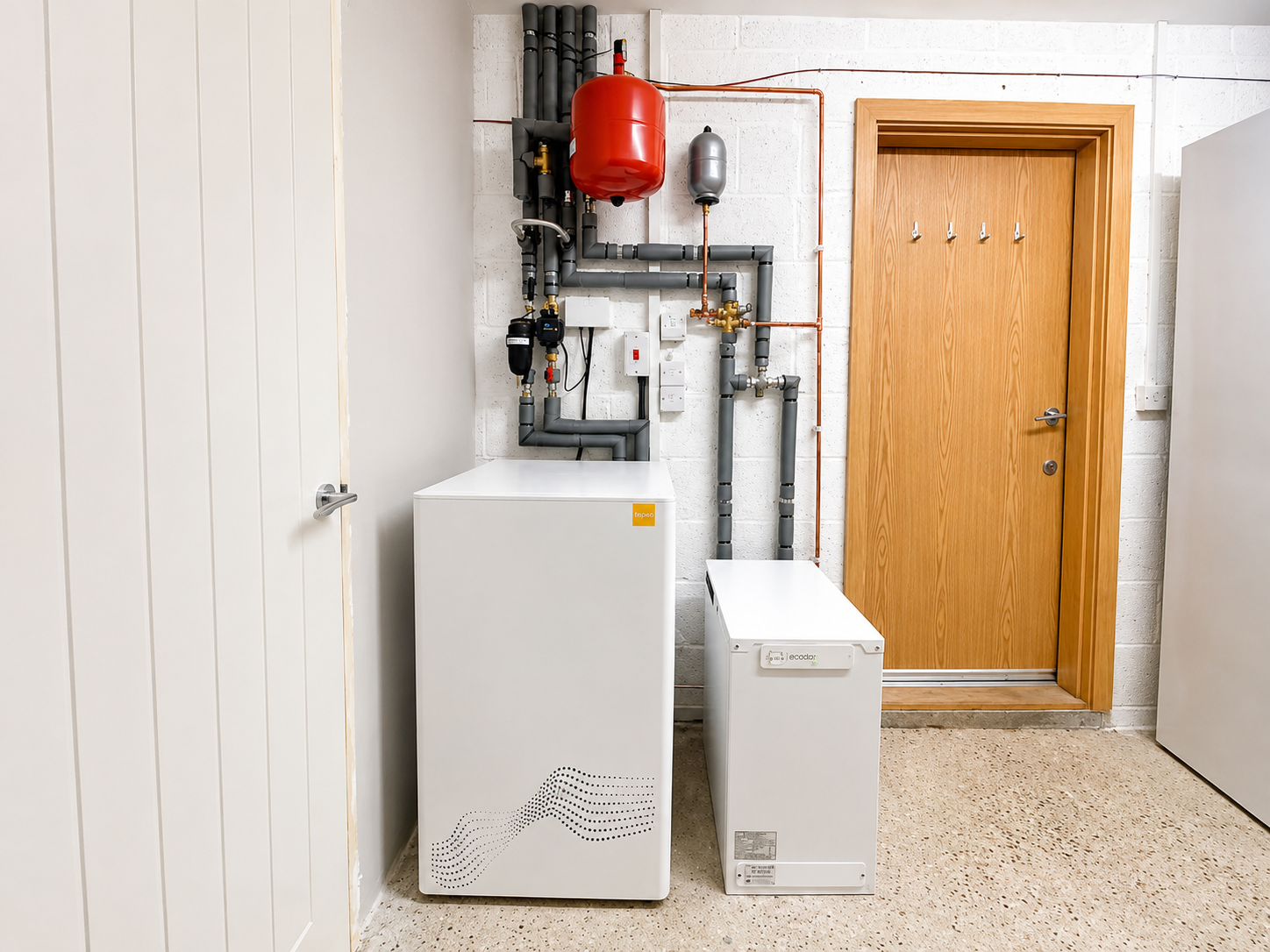
Store heat for when it’s needed most with thermal energy storage systems, including Sunamp and tepeo.
Servicing
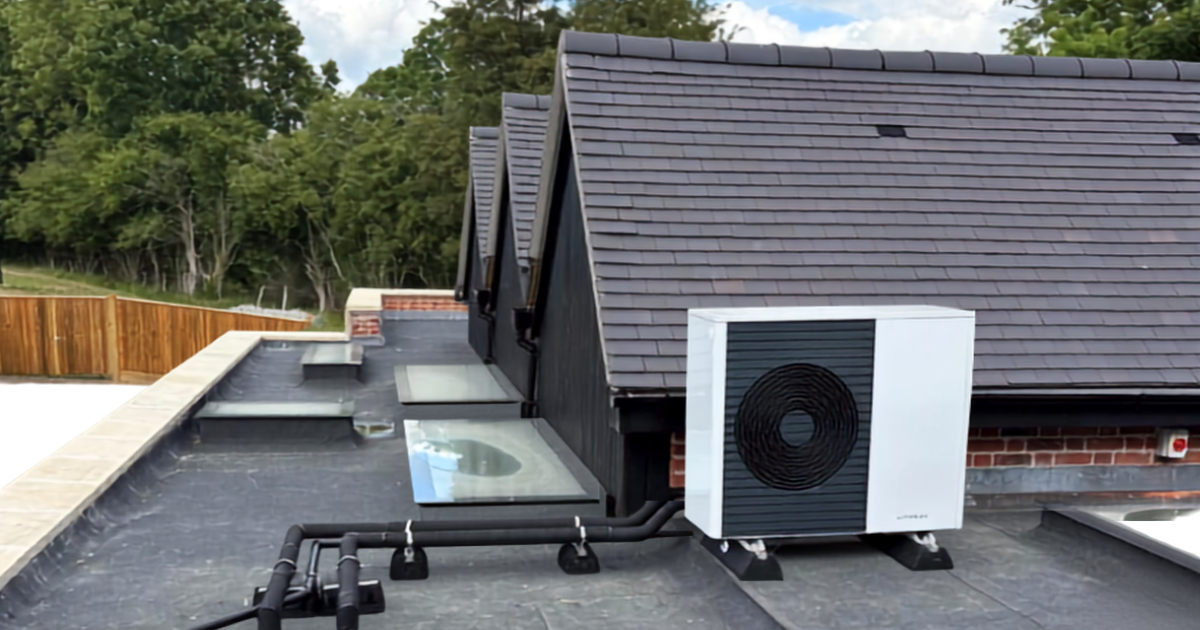
We provide professional servicing for solar PV, air source heat pump, and MVHR systems, helping maintain efficiency, reliability and long-term performance.
Solar PV
Home and commercial solar PV installation, planned around your roof, energy use and future needs.
Battery Storage
Store excess solar energy and reduce grid dependency, protecting against rising energy prices.
EV Charging
EV charging for homes and workplaces, designed around your property and installed safely by qualified electricians.
MVHR
MVHR systems that bring fresh air into your property while recovering heat that would otherwise be lost.
Thermal Energy Storage
Store heat for when it’s needed most with thermal energy storage systems, including Sunamp and tepeo.
Servicing
We provide professional servicing for solar PV, air source heat pump, and MVHR systems, helping maintain efficiency, reliability and long-term performance.
Solar panel and battery solutions for Kent homes
Solar energy battery
BAttery Storage

Make your solar go further with battery storage

Your solar panels power your home during the day, while any excess energy is stored in your battery to use later, helping power your home into the evening and reducing your reliance on the grid.

Speak to an expert
Speak to an expert
Protect your solar investment with an annual solar service
SGS ENERGY’S Solar Service Plan

Annual servicing to keep your solar performing at its best

From £15 a month, our engineers carry out an annual check of your solar system and provide a clear condition and performance report.

Software updates
Inverter checks
Cabling inspection
Isolator inspection
Domestic solar installation in Kent
Solar pv FINANCE options

Green mortgage guidance

FCA-AUTHORISEDADVISER INTRODUCTIONS
PERSONALISEDMORTGAGE GUIDANCE
NO-OBLIGATIONINITIAL CONVERSATION

Solar PV Finance

Some lenders recognise the lower running costs of qualifying energy-efficient homes. We can introduce you to a trusted, FCA-authorised mortgage adviser to explore what may be available.

SGS Energy are Octopus
Trusted
Partners

As an Octopus Trusted Partner, SGS Energy combines the backing of one of the UK’s best-known clean energy brands with trusted local solar expertise across Kent and The South East.
Octopus Trusted partners solar installers
Beautiful solar install
Tidy solar panel install
Kent solar installers
Flat solar PV panels
Solar panel installers in Kent
Solar panels
Energy diverters
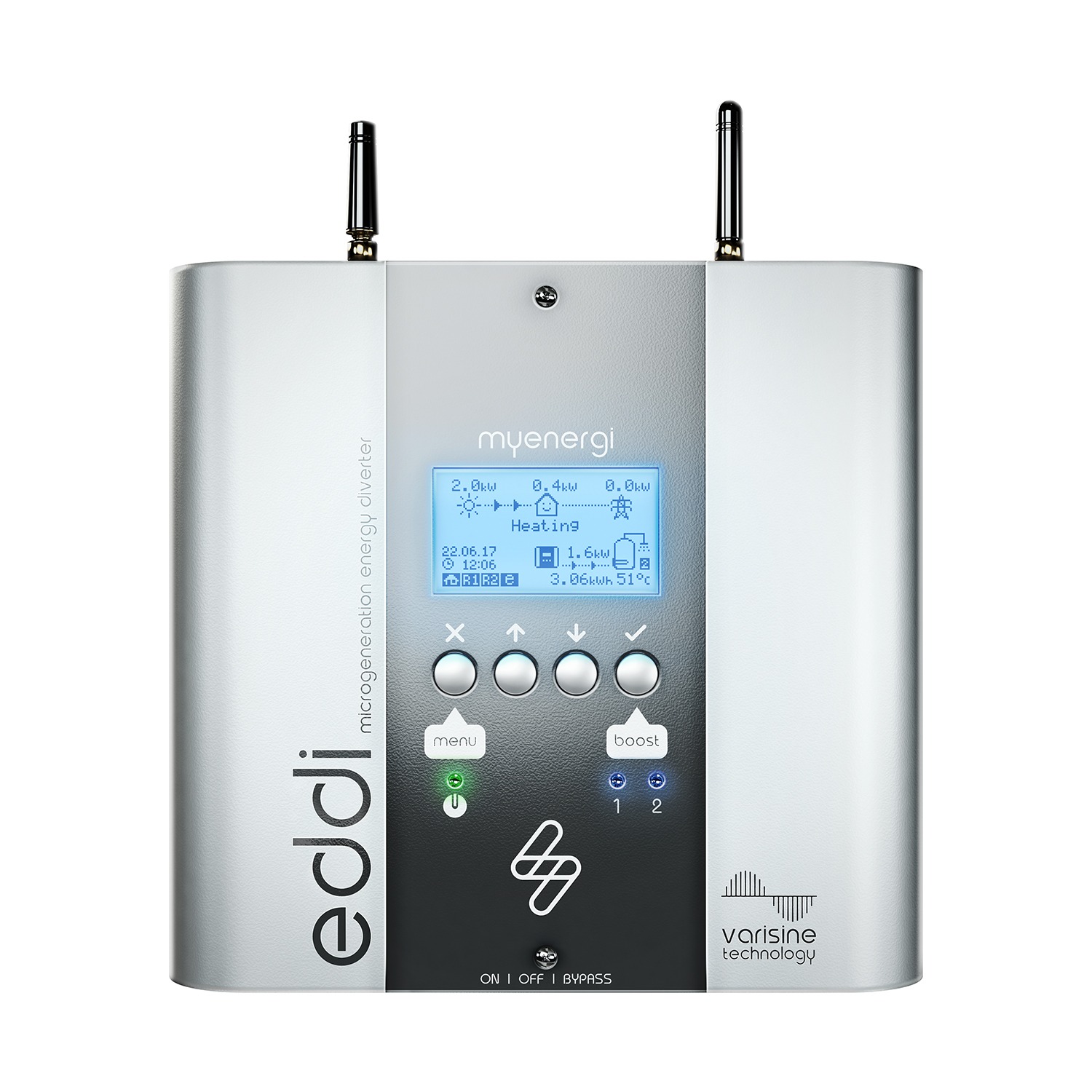
ENERGY DIVERTER

What is an Energy Diverter?

Automatically use excess solar energy to heat your water, helping you use more of the power you generate.

Speak to an expert
Speak to an expert
Energy diverter

Service AreaS

Rooted in Thanet, built for the whole county

We cover every corner of Kent and The South East

Counties & Wider Areas
  • West Kent
  • East Kent
  • North Kent
  • South Kent
  • The Weald
  • Romney Marsh
  • Medway Valley
  • Isle of Sheppey
  • Thanet
  • Folkestone & Hythe
Major Kent Towns & Cities
  • Canterbury
  • Maidstone
  • Tunbridge Wells
  • Ashford
  • Dover
  • Margate
  • Sevenoaks
  • Tonbridge
  • Faversham
  • Whitstable
  • Ramsgate
  • Sittingbourne
  • Deal
  • Herne Bay
Get a free quote

Not sure if we cover your area? Give us a call, we'll happily check and let you know.

Frequently asked questions

Do you need planning permission for solar panels​?

In most cases, you don't need planning permission for solar panels on a domestic roof. In England, roof-mounted solar panels are usually classed as permitted development, which means you can install them without making a full planning application, as long as the system meets certain rules.

For pitched roofs, solar panels should not sit above the highest part of the roof, excluding the chimney, and should not project more than 200mm from the roof slope or wall. For flat roofs, the solar PV equipment must not be more than 600mm higher than the highest part of the roof.

You may need planning permission or prior approval if your property is:

  • Listed
  • Within the grounds of a listed building
  • On a scheduled monument
  • In a conservation area
  • In a World Heritage Site

You may also need permission if the panels will be installed on a wall that faces a road.

Ground-mounted solar panels have their own rules too. These can cover the height, size, location, and number of panels allowed.

If in doubt, contact your local council.

How long do solar panels last​?

Most solar panels last around 25 to 30 years, although they can often continue generating electricity after that. Their output gradually reduces over time, so older panels may produce less power than they did when they were first installed.

Many solar panels come with long performance warranties, often around 25 years, although this varies by manufacturer. A good installation, regular checks, and keeping the panels clear of heavy dirt or debris can help them work well for longer.

In simple terms, solar panels are a long-term investment. They should keep producing electricity for decades, but their efficiency will slowly decline over their lifespan.

How long does it take to install solar panels​?

Most domestic solar panel installations take 1 or 2 days once the survey, design, and scaffolding are complete.

A simple solar PV system can often be fitted in a day. Larger systems, complex roofs, or installations that include a solar battery may take a little longer.

The wider process usually takes more time than the fitting itself, as your installer will need to survey your home, design the system, arrange scaffolding, deliver equipment, and connect the panels to your electrical system.

Your installer should confirm the expected timescale before work begins.

How are solar panels attached to the roof​?

Solar panels are usually attached to the roof using a secure mounting system made up of roof hooks, rails, and clamps.

On a tiled or slate roof, an installer will usually lift selected tiles, fix roof hooks or brackets to the rafters underneath, then replace the tiles around the fittings. Aluminium rails are attached to the hooks, and the solar panels are then clamped onto the rails.

The panels are not normally fixed directly to the roof tiles themselves. Instead, the mounting system connects to the roof structure so the panels stay secure in wind, rain, and everyday weather conditions.

On a flat roof, solar panels may be installed on angled frames or weighted mounting systems. The right method depends on your roof type, roof condition, and the design of your solar PV system.

How many EPC points for solar panels?

Solar panels can add around 5 to 15 EPC points, but the exact increase depends on your property and the solar PV system installed.

As a guide, solar panels add around 10 EPC points on average, although a larger, well-positioned system may add more. The improvement depends on factors such as system size, roof direction, shading, and your home’s current EPC rating.

In some cases, solar panels can help move a property up an EPC band, such as from an E to a D or from a D to a C. The only way to know the exact increase is through an updated EPC assessment after installation.

What size solar system do I need?

The size of solar system you need depends on your electricity use, roof space, roof direction, shading, and budget.

As a guide, many UK homes need a 3 kWp to 5 kWp solar PV system. A smaller home with lower electricity use may need around 3 kWp, while a larger home, or a property with an electric vehicle or heat pump, may need a bigger system.

Your installer will usually check your annual electricity usage and roof layout before recommending the right system size. They may also suggest a solar battery if you want to store more of the power your panels generate.

How much do you save with solar panels?

Yes, solar panels can save you money by reducing how much electricity you need to buy from the grid.

As a guide, a typical UK household with a solar PV system could save around £190 to £350 a year on electricity bills. You may also be able to earn money through the Smart Export Guarantee, which pays you for unused solar electricity sent back to the grid.

Your savings will depend on your system size, energy tariff, roof position, and how much of your solar power you use at home. Households that use more electricity during the day, or add battery storage, can often get more value from their panels.

How much electricity do solar panels generate​?

Solar panels produce power whenever daylight hits them, although the amount depends on your system size, roof direction, shading, location, and the time of year.

As a guide, a typical UK home solar PV system can produce around 2,500 to 3,500 kWh a year. South-facing roofs with little shading usually perform best, while smaller or shaded systems will produce less.

Output is usually higher during bright summer days and lower in winter or cloudy weather. However, solar panels don't need direct sunshine to work, so they can still generate power on overcast days.

Any energy your home doesn't use straight away can often be stored in a solar battery or exported back to the grid, depending on your setup.

What does an inverter do?

An inverter converts the electricity generated by solar panels into electricity your home can use.

Solar panels produce direct current electricity, also known as DC electricity. Most homes use alternating current electricity, or AC electricity, to power lights, appliances, and everyday devices. The inverter changes DC electricity into AC electricity so your solar power can be used around your property.

In a solar PV system, the inverter also helps manage where your solar power goes. It can send electricity into your home, into a battery if you have one, or back to the grid.

This makes the inverter one of the most important parts of a solar panel system.

What is solar pv?

Solar PV, or solar photovoltaic, is a technology that uses solar panels to turn sunlight into electricity for your home or business. Solar PV panels are usually fitted on a roof, although they can also be installed on the ground. When sunlight hits the panels, the solar cells create direct current electricity. This is then converted into usable electricity for your property through a device called an inverter. The electricity generated by solar PV can help power your lights, appliances, and heating systems. Any extra electricity may be stored in a battery or exported back to the grid, depending on your setup. Solar PV is a popular renewable energy option because it can reduce your reliance on grid electricity and help lower your carbon emissions.

Ready to plan your renewable energy upgrade?