THERMAL ENERGY STORAGE INSTALLATION, INCLUDING TEPEO ZEB & SUNAMP

Thermal Energy Storage Installation for Heating & Hot Water

SMART HEAT BATTERY SYSTEMS FOR HOMES
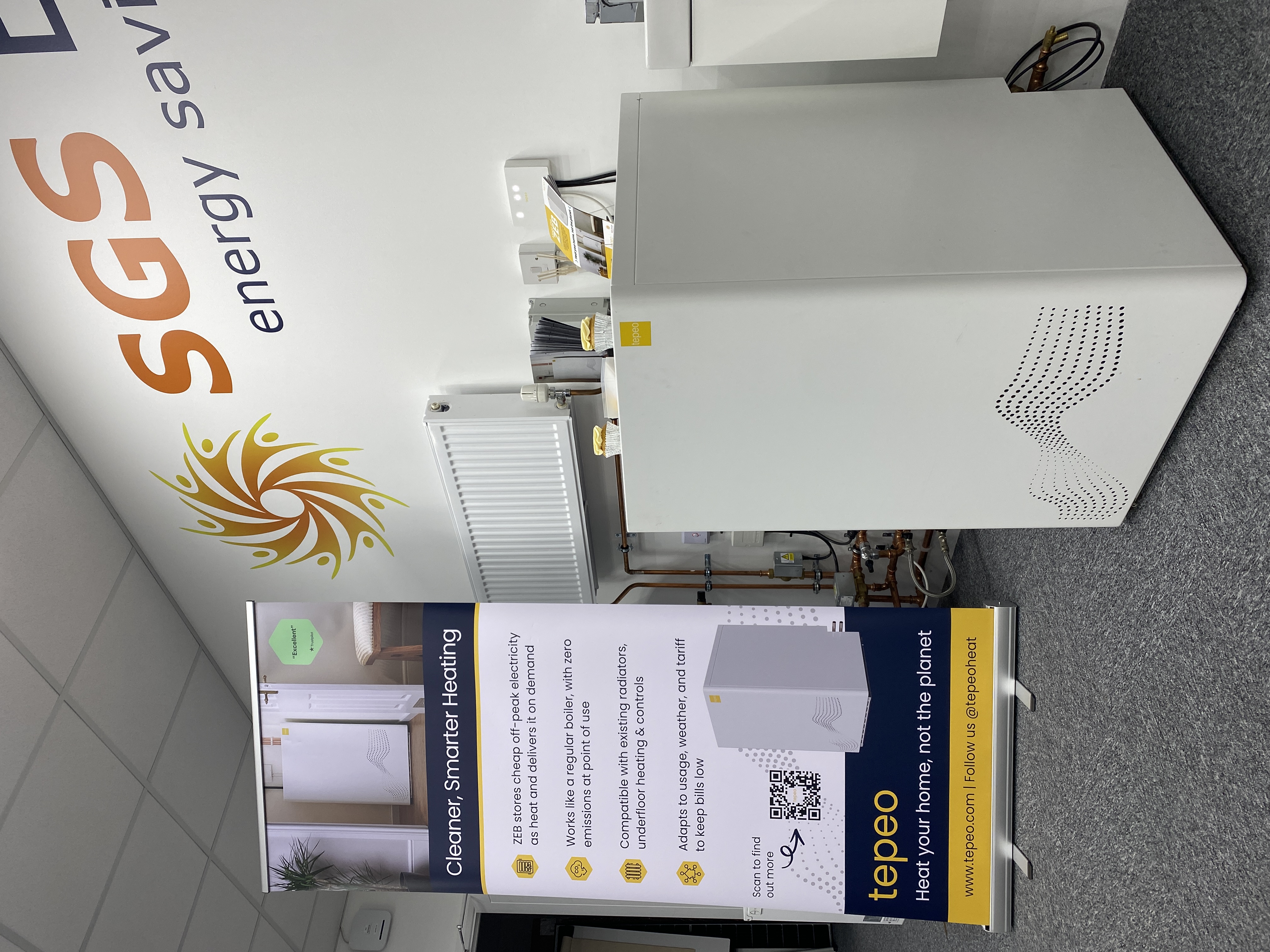
Your home doesn’t always need heat at the same time energy is cheapest or most available. That’s where thermal energy storage comes in. SGS Energy installs and services heat battery systems, including tepeo ZEB and Sunamp, helping homeowners across Kent and the South East store heat intelligently and use it when it matters.

Intelligent heat storage that maximises renewable output and cuts energy costs.

SGS Energy installs advanced thermal energy storage systems across Kent and the South East. From insulated hot water buffers to phase change material units, we tailor every installation to your home's heating profile. With over 500 renewable energy installations completed, our team ensures your thermal store integrates seamlessly with heat pumps, solar panels, and smart controls — helping you use less energy while staying warmer.

Get Started
Get Started
Thermal Energy Storage
for
efficient homes
Solar PV system
Hot Water Buffer Systems
Store heat for when you need it

Our insulated thermal buffer cylinders capture excess heat from your heat pump or solar thermal system and release it on demand. This reduces cycling, extends equipment life, and ensures you always have hot water — even during peak demand or low-generation periods.

SGS Energy tepeo
Phase Change Materials
Compact, high-density storage

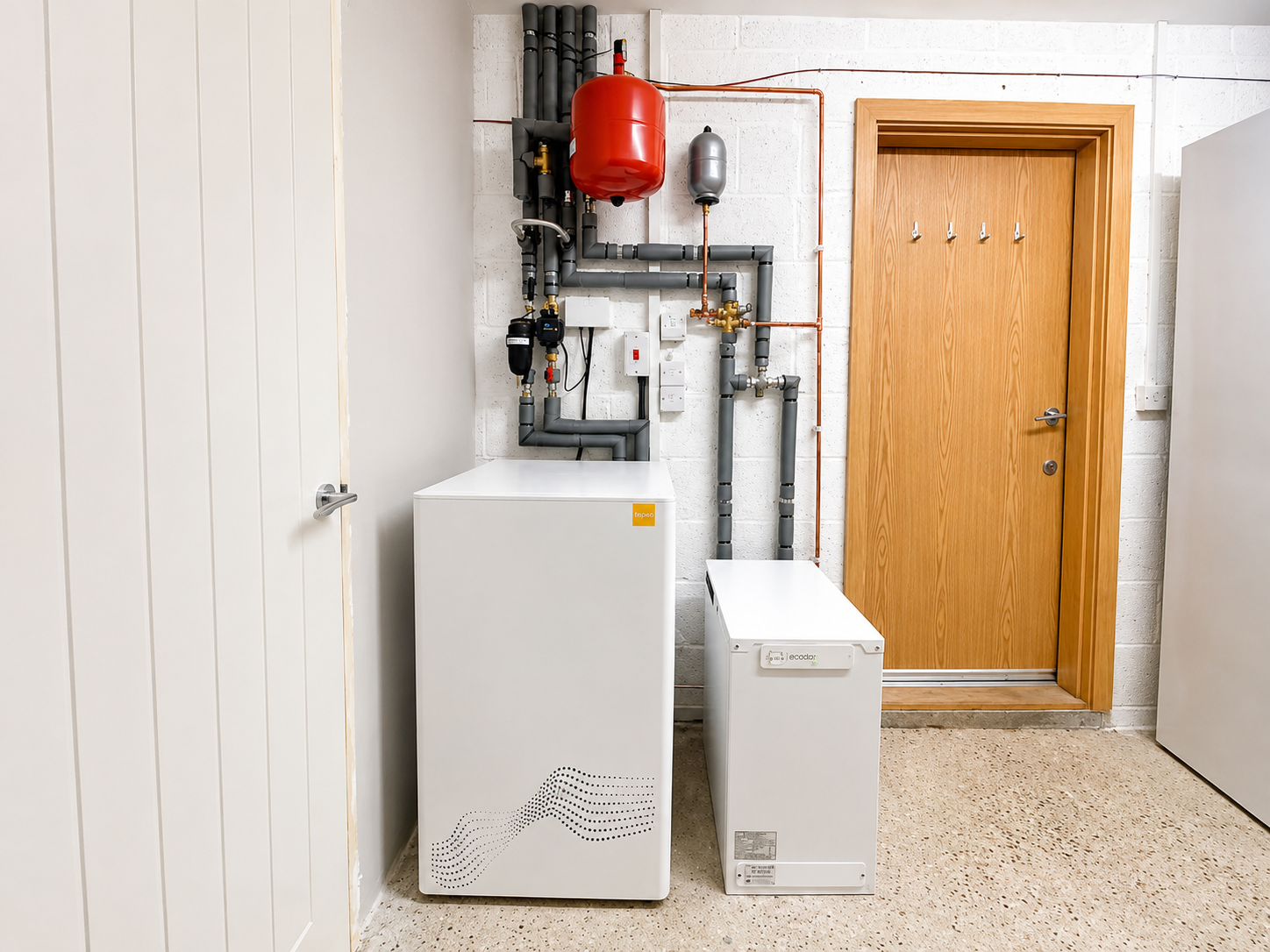
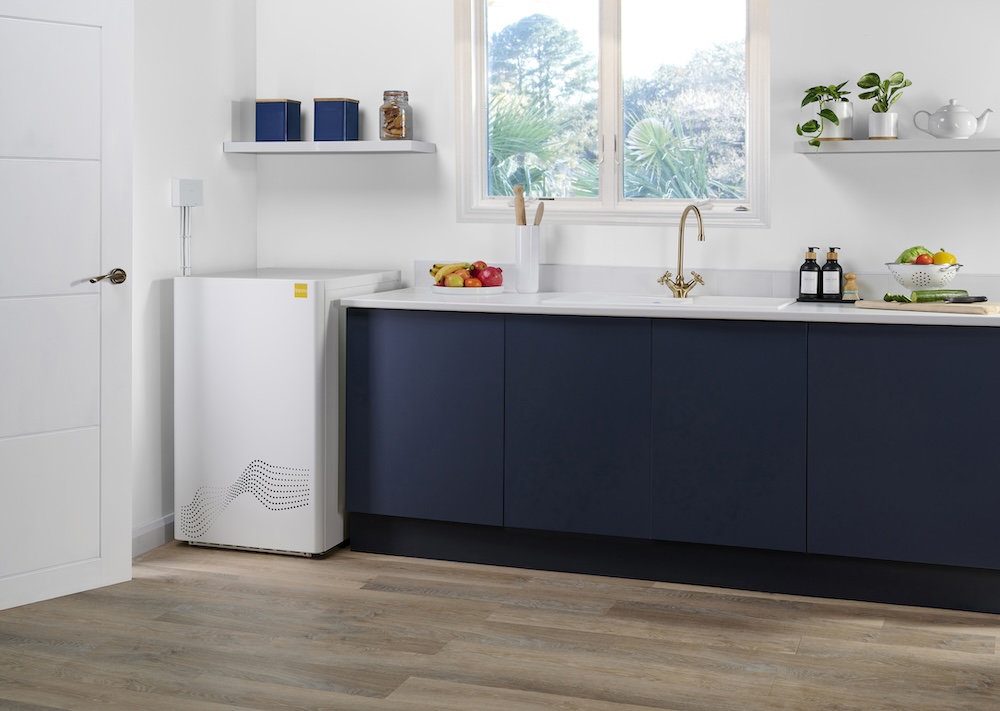
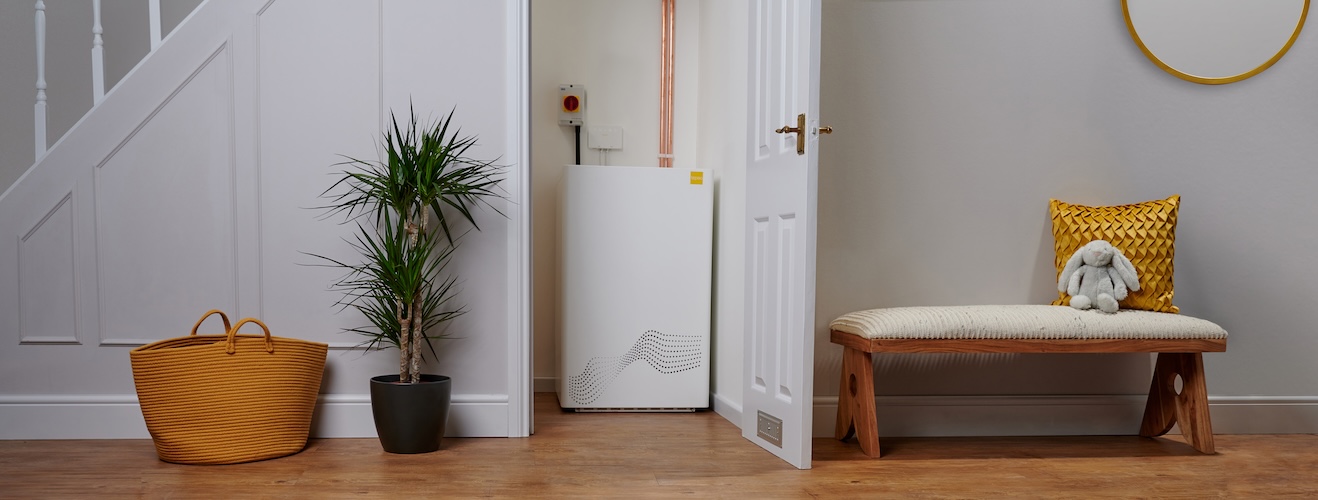
We specify and install phase change material (PCM) thermal batteries that store up to four times more energy per litre than water. These compact units charge during off-peak hours or from surplus solar, then release heat gradually — ideal for homes with limited space.

SGS Energy tepeo
Smart Thermal Management
Intelligent energy scheduling

Our smart controls learn your heating patterns, monitor weather forecasts, and automatically shift storage cycles to the cheapest tariff windows — maximising savings while keeping your home at the perfect temperature.

FROM OUR THERMAL STORAGE SPECIALISTS
Thermal energy storage is the missing link in most renewable heating systems. By storing heat when energy is cheap or abundant and releasing it when demand peaks, homeowners can cut bills by up to 60% and reduce their carbon footprint significantly.
Get Started
Get Started

Frequently asked questions

How much bigger do heat pump radiators need to be​?

Air source heat pump radiators are often larger than those used with a traditional boiler because heat pumps typically operate at lower water temperatures.

The exact size required will depend on factors such as your home’s heat loss, insulation and the system’s flow temperature. In many cases, existing radiators may still be suitable, although some may need to be replaced with larger or higher-output models.

A qualified installer will calculate the heating requirements for each room and recommend the right radiator sizes to keep your home comfortable while helping the heat pump run efficiently.

Is my house suitable for a heat pump?

Most homes can be suitable for an air source heat pump, including older properties, but the system needs to be correctly designed for the building.

An air source heat pump works best in a well-insulated home with appropriately sized radiators or underfloor heating. You'll also need a suitable outdoor location for the unit, with enough space around it for airflow and maintenance access.

Before installation, a qualified installer should assess your home’s insulation, heat loss, existing heating system and electrical supply. They can then confirm whether a heat pump is suitable and recommend any improvements that may help it run efficiently.

Do you need planning permission for solar panels​?

In most cases, you don't need planning permission for solar panels on a domestic roof. In England, roof-mounted solar panels are usually classed as permitted development, which means you can install them without making a full planning application, as long as the system meets certain rules.

For pitched roofs, solar panels should not sit above the highest part of the roof, excluding the chimney, and should not project more than 200mm from the roof slope or wall. For flat roofs, the solar PV equipment must not be more than 600mm higher than the highest part of the roof.

You may need planning permission or prior approval if your property is:

  • Listed
  • Within the grounds of a listed building
  • On a scheduled monument
  • In a conservation area
  • In a World Heritage Site

You may also need permission if the panels will be installed on a wall that faces a road.

Ground-mounted solar panels have their own rules too. These can cover the height, size, location, and number of panels allowed.

If in doubt, contact your local council.

How long do solar panels last​?

Most solar panels last around 25 to 30 years, although they can often continue generating electricity after that. Their output gradually reduces over time, so older panels may produce less power than they did when they were first installed.

Many solar panels come with long performance warranties, often around 25 years, although this varies by manufacturer. A good installation, regular checks, and keeping the panels clear of heavy dirt or debris can help them work well for longer.

In simple terms, solar panels are a long-term investment. They should keep producing electricity for decades, but their efficiency will slowly decline over their lifespan.

SGS-ENERGY
Ready to plan your renewable energy upgrade?