Air-to-water heat pumps explained
Air-to-water heat pumps are among the most popular low-carbon heating options for UK homes. In fact, they account for as many as 99% of UK retrofit heat pump installations in 2025.
This technology draws heat from the outside air and transfers it into the water used by your central heating system. Rather than burning fuel, it uses electricity to move existing heat. This makes it more efficient and lower-carbon than a traditional boiler.
The heated water then circulates through your radiators and underfloor heating to provide steady warmth throughout your home.
In this guide, we explain how air-to-water heat pumps work. We cover what they can heat. We compare them with water-to-air heat pumps and also share what to consider before installing one in your home.
Stick with us to learn more.
What is an air-to-water heat pump?
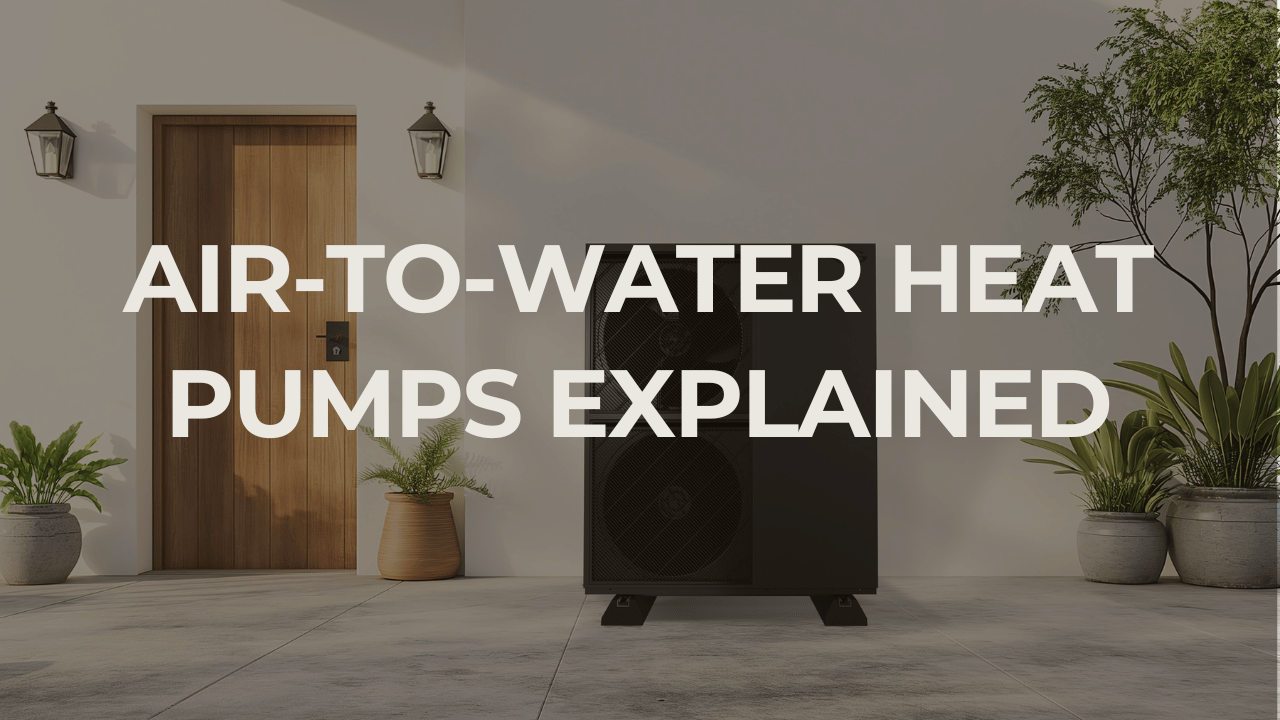
As we just hinted, an air-to-water heat pump takes heat from the outdoor air and uses it to warm water for your home’s central heating and hot water system. It includes an outdoor unit and indoor components that connect to your existing pipework.
A simple way to picture it is like a fridge working in reverse. A fridge removes heat from inside and releases it into the room. In contrast, a heat pump captures heat from the outside air and brings it indoors.
Unlike a gas or oil boiler, it doesn’t generate heat through combustion. Instead, it moves existing heat using electricity, reducing carbon emissions and improving efficiency over time.
Most systems work with standard wet heating setups, including radiators and underfloor heating. This makes them a practical option for many UK homes. Particularly those looking to move away from fossil fuels without replacing their entire heating system.
Performance depends on the property. Homes with good insulation and appropriately sized radiators tend to see the best results. as heat pumps operate at lower, steady temperatures rather than short bursts of high heat.
How does an air-to-water heat pump work?
An air-to-water heat pump works by moving heat through a refrigeration cycle. Building on what we covered above, it captures heat from the outside air and transfers it indoors. The process may sound technical, but the basic idea is simple.
- The outdoor unit draws in air.
- Heat from the air warms a refrigerant inside the system.
- The refrigerant is compressed, which raises its temperature.
- That heat transfers into water.
- Heated water circulates around your home.
Even when the weather feels cold, the outside air still contains heat. A heat pump captures that low-temperature heat and raises its temperature to warm your home.
Is an air-to-water heat pump right for your home?
An air-to-water heat pump can work in many properties, though performance depends on how well the system matches the home. A professional heat loss survey is the best way to assess this.
SGS Energy conducts these surveys to calculate heat demand and determine the correct system size. In many cases, (depending on the size and location of the property), this is provided at no cost.
Key factors include:
Insulation
Air source heat pumps work best in homes that hold heat well. Loft insulation, cavity wall insulation, draught proofing, and quality glazing can all improve comfort and system performance.
That said, a home doesn't need to be brand new or highly insulated. It's just that poor insulation can increase running costs and make the system work harder.
Radiators and underfloor heating
An air-to-water heating system can work with radiators, underfloor heating, or a combination of both. Some existing radiators may work well. Others may need upgrades to heat rooms well at lower flow temperatures.
Outdoor space
The outdoor unit needs enough space for airflow and maintenance access. For many homes, the unit can sit beside an external wall or in a garden.
Current heating system
Homes currently using oil, LPG, or older boilers may see different benefits than homes using a modern gas boiler. Running costs will depend on electricity prices, tariff choice, system design, and heating habits.
Hot water cylinder space
Air-to-water heat pump systems require a hot water cylinder to store and supply hot water. As such, there needs to be enough indoor space to accommodate one. An installer can advise on suitable options based on the layout of the property.
Benefits of air-to-water heat pumps
A well-designed air-to-water heat pump system can bring several benefits for homeowners:
1. Lower carbon heating
Air source heat pumps rely on electricity at the point of use, rather than fuel stored or burned on-site. This changes how heat is generated and managed within the home, removing the need for:
- A flue
- Fuel deliveries
- Combustion-based systems
Instead, emissions are linked to how that electricity is produced. As more UK electricity comes from renewable sources, a heat pump’s carbon impact can drop over time, without any changes to the home system.
2. High efficiency
Air-to-water heat pumps are known for their efficiency. Namely, because they can deliver more heat energy than the electricity they use. A well-performing system can produce around three units of heat for every unit of electricity consumed. However, this varies depending on conditions.
Actual performance depends on several factors, including the property, heating design, insulation levels, system controls, and outdoor temperatures. Homes with good insulation and appropriately sized radiators or underfloor heating tend to see more consistent results.
It's also worth noting that an air source heat pump needs to be sized using a full heat loss calculation. This is the best way to ensure it aligns with the property’s specific requirements. Without that level of planning, maintaining steady temperatures becomes harder, and overall efficiency can drop.
3. Lower energy bills
An air-to-water heat pump can reduce energy bills, but this depends on several factors:
- The existing heating system
- Your electricity tariff
- Overall system efficiency
- Radiator sizing
- Insulation levels
- Control settings
- Hot water demand
Many households see lower running costs, particularly when replacing oil, LPG, or an inefficient older boiler.
4. Heating and hot water in one system
Many homeowners want a single renewable heating solution that supports both space heating and hot water. An air-to-water heating system can do both when paired with the right cylinder and controls.
5. Suitable for many UK homes
Air-to-water systems are often suitable for detached, semi-detached, terraced, rural, and off-gas homes. Older properties may still be suitable, but insulation, radiator sizes, and pipework need proper assessment.
6. Government grant support may be available
Eligible homeowners in England and Wales may be able to access funding through the Boiler Upgrade Scheme. At the time of writing, the scheme offers £7,500 toward an air source heat pump installation, subject to eligibility.
The grant process is usually installer-led. That's why homeowners tend to work with an MCS-certified installer who applies for the grant and deducts it from the final quote.
What happens during installation?
A typical air-to-water heat pump project starts with a property survey. As mentioned, the installer checks your current heating system, insulation, radiators, hot water setup, and available outdoor space.
The process usually includes:
- Home survey and heat loss calculation
- System design and quote
- Grant eligibility check
- Installation of the outdoor unit
- Connection to heating and hot water systems
- Controls setup and handover
- Aftercare and servicing advice
A good installer will explain how to use the controls, how the system should run, and what to expect during colder months.
Do you need planning permission for an air-to-water heat pump?
Many domestic air source heat pump installations in England fall under permitted development rights. However, this doesn’t apply in every case.
Properties such as:
- Listed buildings
- Homes in conservation areas
- Flats
- Those with unusual layouts
The above sometimes require additional checks or planning permission. That's why it's always best to have a qualified installer review your property in advance to confirm compliance.
Air-to-water heat pump vs water-to-air heat pump
Air-to-water and water-to-air heat pumps sound similar, though they serve different purposes and are used in different types of buildings.
- As mentioned, an air-to-water heat pump takes heat from outdoor air and transfers it into water. That heated water then circulates through radiators, underfloor heating, and a hot water cylinder. This setup fits neatly with how most UK homes are already heated, making it a straightforward replacement for a gas or oil boiler.
- A water-to-air heat pump works differently. It transfers heat from a water source into air, which is then distributed through a warm air system, such as ducts or vents. You're more likely to find these systems in commercial settings.
Ready to explore an air-to-water heat pump?
If you’re thinking about installing an air source heat pump, a home survey is the right place to start. SGS Energy conducts detailed assessments for homeowners across Kent, including Canterbury, Whitstable, Herne Bay, Ashford, Dover, Folkestone, Maidstone, Medway, and Thanet.
A consultation will give you a clearer understanding of what system would work for your property, along with practical insight into costs and expected performance.
Book a consultation with SGS Energy below to take the next step with confidence.
FAQs
What is an air-to-water heat pump?
An air-to-water heat pump is a heating system that extracts heat from outdoor air and transfers it to water. That water then heats your radiators, underfloor heating, and hot water cylinder.
Is an air-to-water heat pump the same as an air source heat pump?
An air-to-water heat pump is a type of air source heat pump. Air source heat pumps can be air-to-water or air-to-air. Air-to-water systems connect to wet central heating, while air-to-air systems deliver warm air directly into rooms.
Can air-to-water heat pumps work with radiators?
Yes, air-to-water heat pumps can work with radiators. Some homes may need larger radiators so rooms can stay warm at lower flow temperatures. A survey will confirm if your current radiators are suitable.
Are air-to-water heat pumps suitable for older homes?
Yes, many older homes can use an air-to-water heat pump, but the design needs care. Insulation, heat loss, radiator sizes, and hot water demand should all be assessed before installation.
How long does an air-to-water heat pump last?
A well-maintained air-to-water heat pump can last for many years. Regular servicing helps protect performance by identifying small issues early, keeping the system running efficiently.