Are Solar Panels Allowed in a Conservation Area?
Yes, solar panels can be installed in a conservation area. In many cases, roof-mounted solar panels on homes in England are classed as permitted development, meaning a full planning application is not required. However, this depends on the type of roof, the position of the panels, the property’s listed status and any additional local restrictions.
Solar panels conservation area rules are designed to balance renewable energy improvements with the need to protect an area’s special architectural and historic character. Before arranging an installation, it is important to check which permissions apply to your property.
The guidance in this article applies to properties in England, including Kent. Planning rules differ elsewhere in the UK.
Understanding Conservation Areas
Conservation areas are designated by local councils because of their special architectural or historic interest.
They can include historic town centres, villages, residential streets and other places with a distinctive character. Conservation area status does not prevent development, but alterations may need to be carefully designed so that they preserve or enhance the appearance of the area.
Solar panels are therefore not automatically prohibited. The main consideration is usually whether their design and position will have an unacceptable effect on the building or its surroundings.
Are There Conservation Areas in Kent?
Yes, Kent contains many conservation areas because of its rich architectural and historic heritage.
These include parts of Canterbury, Whitstable and Rochester, as well as smaller towns and villages such as Chilham and Tenterden. Each conservation area may have its own character appraisal, management plan or local planning guidance.
When considering solar panels in Kent, check the requirements of your local planning authority before work begins. Although many installations qualify as permitted development, local restrictions or the specific design of your property can affect whether permission is required.
SGS Energy has experience installing solar panels in Kent, including on properties where visual appearance and local planning requirements need careful consideration. Our team can help assess the proposed position of the panels and identify potential planning issues before installation.
How to Check Whether Your Property Is in a Conservation Area
Before installing solar panels, confirm whether your property is inside a conservation area and whether it is listed.
You can do this in several ways:
- Check with your local council: Your council’s planning department will hold records showing the boundaries of conservation areas and any special local restrictions.
- Use online council maps: Many local authorities provide interactive maps that allow you to search using your address or postcode.
- Review previous planning documents: Existing planning decisions, property searches or previous consent documents may mention conservation area status.
- Check whether the property is listed: Being in a conservation area is different from owning a listed building. Listed properties are subject to additional controls.
- Seek professional advice: A planning consultant, conservation specialist or experienced solar installer can help you understand which requirements may apply.
Solar Panels Conservation Area Rules in England
Many domestic solar-panel installations qualify as permitted development, including some installations in conservation areas. However, the relevant limits and conditions must be followed.
1. Pitched-roof solar panels
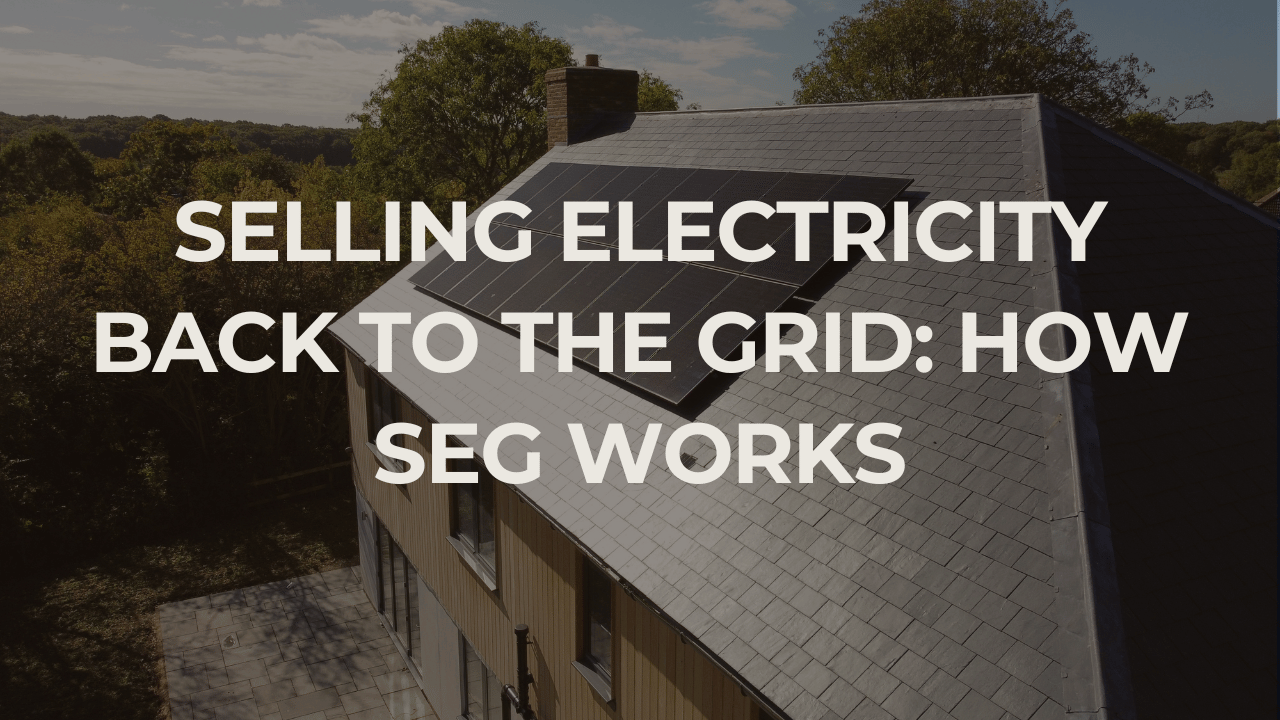
On a pitched roof, solar panels should:
- Not extend above the highest part of the roof, excluding the chimney.
- Project no more than 200mm from the roof slope.
- Be positioned, as far as reasonably possible, to minimise their effect on the building and the surrounding area.
These conditions mean that discreet roof-mounted systems can often be installed without a full planning application.
2. Flat-roof solar panels
Solar panels can also qualify as permitted development on a flat roof, provided the highest part of the equipment is no more than 600mm above the roof.
However, installing solar equipment on a flat roof in a conservation area requires an application to the local planning authority for prior approval. Prior approval is different from a full planning application, but work should not begin until the required process has been completed.
3. Wall-mounted solar panels
In a conservation area, permitted development rights do not allow solar panels to be fitted to a wall that fronts a highway.
An alternative roof slope or less prominent elevation may be more suitable, subject to the other permitted-development conditions.
4. Design and placement
The position of the panels is particularly important in a conservation area. A suitable design may involve:
- Using a less visible roof slope.
- Keeping the panels in a simple, compact arrangement.
- Choosing panels and frames with a low-reflective, dark finish.
- Avoiding unnecessary projections above the roof.
- Positioning cables, inverters and other equipment discreetly.
The aim is to generate renewable energy without allowing the installation to dominate the building or harm the character of the area.
5. Listed buildings
A listed building is subject to different controls from an unlisted property in a conservation area.
Consent is required before installing a photovoltaic system on a listed building or scheduled monument. Planning permission may also be required, depending on the proposal. Permitted-development rights also do not cover panels installed on a building within the grounds of a listed building.
Owners of listed properties should speak to the local authority’s planning or conservation team before commissioning any work.
6. Ground-mounted solar panels
A ground-mounted system may sometimes reduce the effect on the roof of a historic property, but it is not automatically exempt from planning controls.
Stand-alone solar equipment has its own permitted-development limits covering its size, height, distance from the property boundary and position in relation to a highway. In a conservation area, prior approval is required when the equipment will be closer to the highway than the nearest part of the house or block of flats.
The effect of a ground-mounted system on the garden, surrounding landscape and the setting of a heritage property should also be considered.
7. Local restrictions
National permitted-development rules are only a starting point. Additional local controls, including planning conditions or an Article 4 direction, may remove or restrict rights that would otherwise apply.
Your local planning authority can confirm whether any additional restrictions affect your property.
Documents You May Need
Where prior approval or planning permission is required, the local planning authority may request information such as:
- A site location plan.
- Roof plans and elevations.
- Details of the panels, frames and mounting system.
- Photographs of the property and surrounding area.
- An explanation of the proposed positioning.
- A heritage or visual-impact assessment for sensitive properties.
Preparing clear information at an early stage can help the council understand how the installation has been designed to minimise its visual impact.
Benefits of Solar Panels in Conservation Areas
Subject to the relevant requirements, solar panels can provide several benefits to homes in conservation areas.
Sustainability
Solar panels generate renewable electricity and can reduce the amount of electricity a household needs to purchase from the grid. This can help reduce the property’s operational carbon emissions.
Energy savings
Generating electricity at home can lower energy bills, particularly when a suitable proportion of the electricity is used within the property. A solar battery may allow more of the generated electricity to be stored for later use.
Sensitive improvement of older properties
A carefully designed solar installation can improve the energy performance of an older property without significantly changing its character. The design should account for the building’s appearance, structure, roof covering and historic fabric.
Potential buyer appeal
Energy-efficient features may appeal to some buyers, although the effect on property value will vary according to the property, installation quality and local market.
Working With SGS Energy
At SGS Energy, we understand the additional considerations involved when installing solar panels in a conservation area.
Our team can assess the property, discuss suitable panel positions and design a system that considers energy generation alongside the appearance of the building. Where planning input is required, we can help identify the information needed before installation proceeds.
Our aim is to integrate renewable energy technology into your property while respecting its architectural and historic character.
Get in Touch
Are you considering solar panels for a property in a conservation area?
Contact SGS Energy to arrange an initial assessment. Our team can review your property, discuss the available installation options and help you understand the likely planning considerations.
With careful design and early checks, many properties in conservation areas can benefit from solar energy while preserving the character that makes them distinctive.
Resources
- Planning Portal guidance on roof-mounted solar equipment
- Planning Portal guidance on stand-alone solar equipment
- Historic England guidance on photovoltaic-system permissions
- Your local council’s conservation area map and planning guidance
This article provides general information about the planning system in England and is not a substitute for advice from your local planning authority.