How a domestic MVHR System can reduce damp at home
Drying clothes indoors is convenient, especially in colder months, but it can add a surprising amount of moisture to your home. This excess moisture can settle on windows, walls, and other cold surfaces, leading to condensation, musty smells, and mould growth.
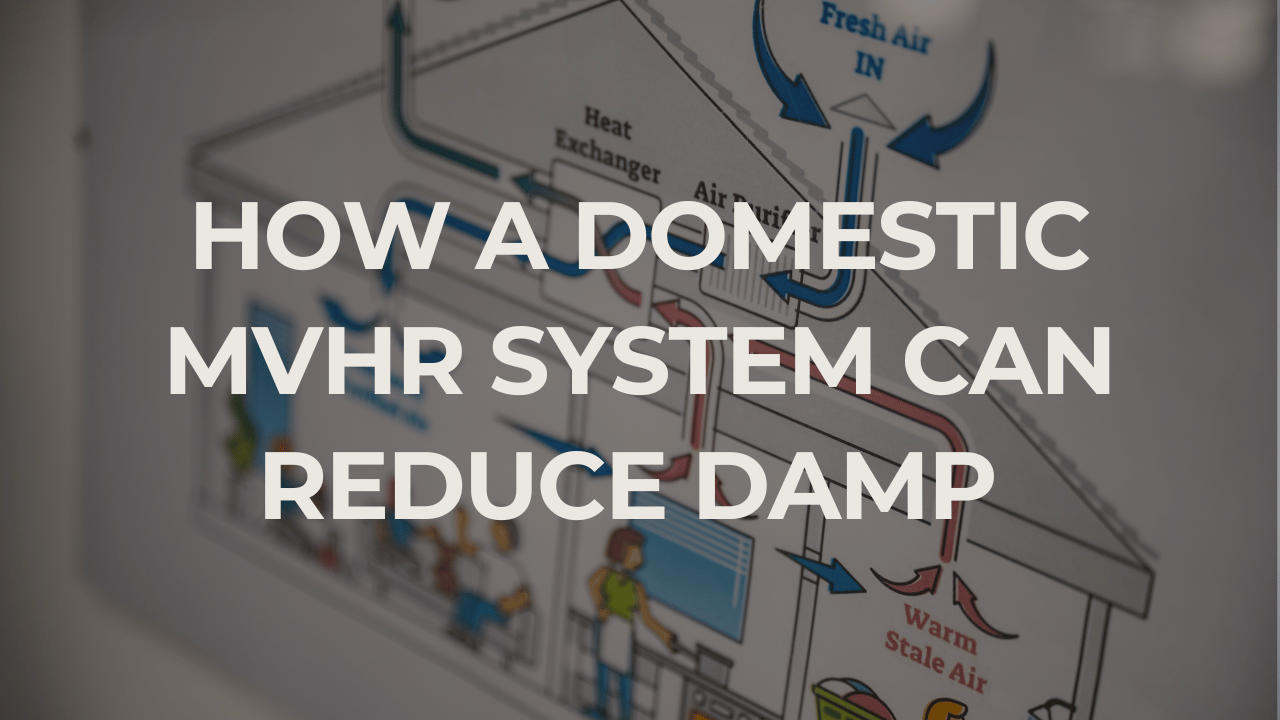
A domestic MVHR system helps reduce this risk by removing stale, moisture-heavy air from kitchens, bathrooms, and utility rooms. At the same time, it brings filtered fresh air into the home and recovers heat from the outgoing air. This helps create a healthier, more balanced indoor environment.
For homes where laundry is dried indoors, domestic MVHR offers an effective way to manage moisture and support better indoor air quality.
Why drying clothes indoors can cause condensation
As you'll know, wet laundry releases moisture into the air as it dries. In a home with limited ventilation, that moisture has nowhere to go. Instead, it builds up indoors and often condenses on colder surfaces such as:
- Windows
- External walls
- Corners of rooms
That's where problems can start.
You might notice:
- Steamed-up windows
- Water droplets on window sills
- A damp smell in bedrooms or utility rooms
- Black mould around frames, ceilings, or walls
A lot of people describe this as “damp,” but in many homes, the issue is actually just condensation caused by excess moisture in the air.
That distinction matters because condensation forms when excess moisture in the air has nowhere to go, meaning it can often be reduced with better ventilation. Structural damp, on the other hand, is caused by water entering the building, such as through leaks, rising damp, or external ingress, and needs a different type of repair.
What is domestic MVHR?
Domestic MVHR stands for Mechanical Ventilation with Heat Recovery.
It's a whole-house ventilation system designed to remove stale air and replace it with fresh filtered air in a controlled way.
A domestic MVHR system usually:
- Extracts moist air from kitchens, bathrooms, utility rooms, and en-suites
- Supplies fresh air to living rooms, bedrooms, and other habitable spaces
- Transfers heat from outgoing air to incoming air through a heat exchanger
That means you're not simply pulling warm air out and wasting it. The system helps retain heat while still improving airflow.
This makes domestic MVHR especially appealing in modern, energy-efficient homes, where there's a growing focus on maintaining good air quality without relying on opening windows year-round.
How domestic MVHR helps when drying clothes indoors
Drying clothes indoors often becomes part of a daily routine, especially in colder months. What changes with a domestic MVHR system is how that routine affects the rest of the home.
Instead of opening windows or dealing with lingering damp air, ventilation runs in the background.
In practical terms, that can mean:
- Rooms recover faster after drying: Spaces don’t stay damp or unpleasant for long once laundry is left out.
- Less hands-on management: There’s no need to keep adjusting windows or doors to manage airflow.
- Greater flexibility in daily use: Laundry can be dried without disrupting how different rooms are used.
Is domestic MVHR a fix for every damp problem?
No, and this is an important point to make clear.
A domestic MVHR system can be very effective when the issue is linked to:
- Condensation
- Excess indoor humidity
That includes moisture created through everyday activities such as:
- Drying clothes indoors
- Showering
- Cooking
- Poor airflow in airtight homes
It's not a direct fix for:
- Leaking pipes
- Rising damp
- Penetrating damp
- Roof or gutter problems
- Defects in the building fabric
That's why a proper assessment matters. If condensation is the main issue, domestic MVHR may be the right fit. By contrast, if the problem comes from water ingress or another building issue, that needs to be addressed first.
When domestic MVHR works best
Domestic MVHR tends to work best in homes that are relatively airtight.
That often includes:
- New-build properties
- Renovated homes with upgraded insulation and airtightness measures
- Homes where energy efficiency and ventilation have been considered together
It can also work in retrofit projects, though design and installation need careful planning. Duct routes, room layout, and the condition of the property all play a part.
A poorly designed system will never deliver the same result as one properly specified for the home.
Talk to SGS Energy about domestic MVHR
If drying clothes indoors is part of your routine and you’re starting to notice the impact on your home, it might be time to take a closer look at your ventilation setup.
But not every property needs the same solution. The layout, how the home has been built or updated, and where the moisture is coming from all make a difference.
So, if you’re thinking about domestic MVHR for your home, whether that’s during a renovation or simply to improve how it handles everyday moisture, SGS Energy can help you understand what’s realistic for your space.
Get in touch with the team below to find out what would suit your home.
FAQs
What is domestic MVHR?
Domestic MVHR stands for Mechanical Ventilation with Heat Recovery. It's a whole-house ventilation system that removes stale air, supplies fresh filtered air, and recovers heat from the outgoing air.
Can domestic MVHR help reduce condensation?
Yes, domestic MVHR can help reduce condensation when the problem is caused by excess indoor moisture and poor ventilation.
Does drying clothes indoors increase humidity?
Yes. Wet laundry releases moisture into the air as it dries, which can raise indoor humidity levels and contribute to condensation.
Is domestic MVHR suitable for older homes?
It can be, though results depend on the property layout, airtightness, and how easily the system can be installed. A survey is the best place to start.
Will domestic MVHR solve damp problems?
It can help when the issue is due to condensation. However, it won't solve structural damp, leaks, or water ingress.