4 practical ways to reduce your home's reliance on fossil fuels
Most UK homes still rely on fossil fuels in one form or another. Gas and oil are commonly used for heating, while petrol and diesel continue to power many vehicles.
Electricity from the national grid is becoming cleaner, but its environmental impact still depends on how and when that electricity is generated.
Several home energy technologies can help reduce this reliance. Solar panels generate renewable electricity, heat pumps can replace direct fossil fuel heating, electric vehicles reduce the need for petrol or diesel, and battery storage helps households make better use of solar generation and lower cost grid electricity.
These technologies are not interchangeable, and they will not suit every property in the same way. The right starting point depends on your home, energy use, budget and long-term plans.
The four options at a glance
Solar panels
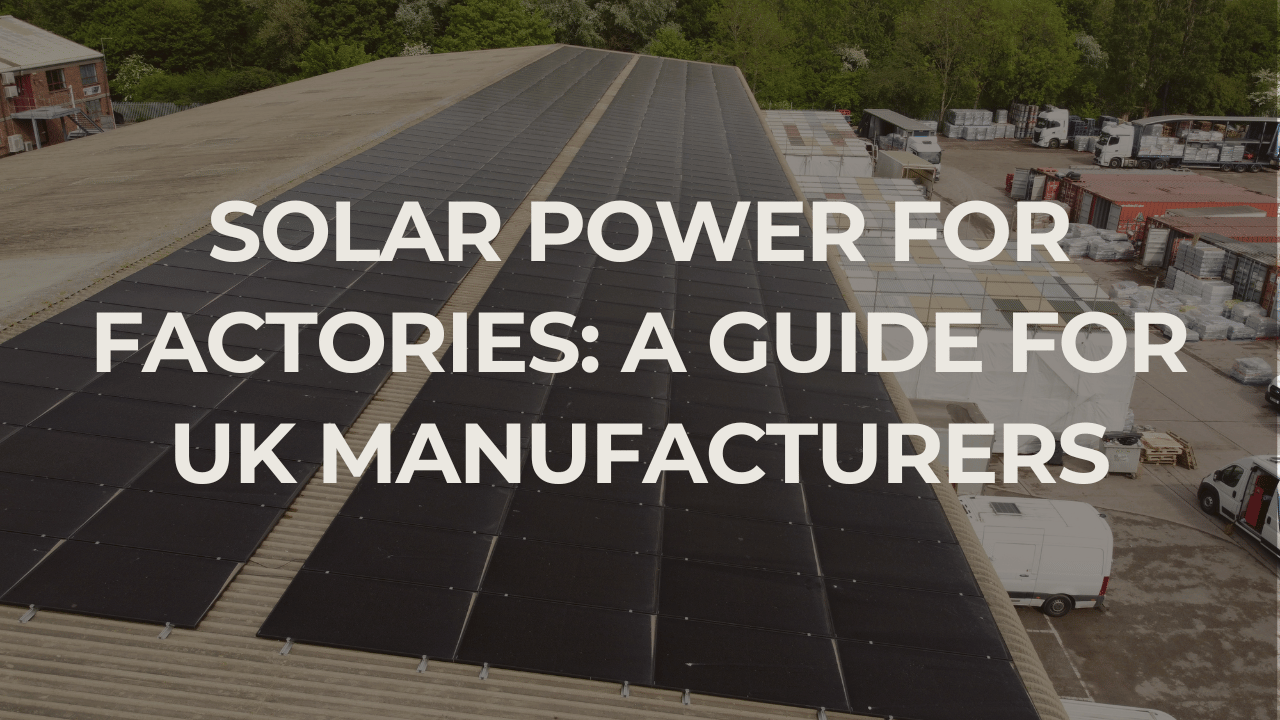
Solar panels can reduce the amount of electricity you need to buy from the grid. They are best suited to homes with suitable roof space and limited shading.
Heat pumps
Heat pumps can replace gas, oil or some forms of direct electric heating. Their performance depends on the design of the system and the energy efficiency of the property.
Electric vehicles and home charging
Switching to an electric vehicle can reduce petrol or diesel use. A home chargepoint can make charging more convenient and may allow you to benefit from off-peak electricity tariffs.
Battery storage
A home battery can store solar electricity or cheaper off-peak grid electricity for later use. The right battery size depends on how and when your household uses energy.
1. Generate renewable electricity with solar panels
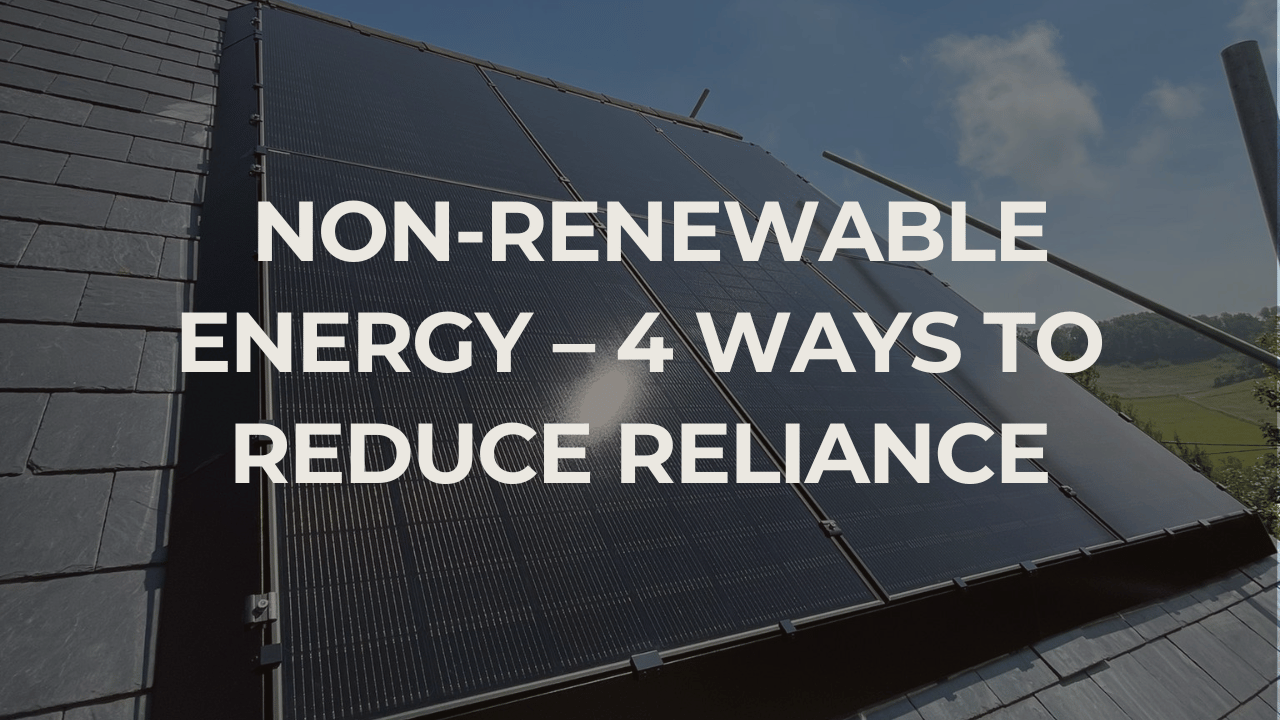
Solar photovoltaic panels capture energy from daylight and convert it into electricity for use in your home.
They continue generating electricity on cloudy days, although output is lower than it would be in strong sunlight.
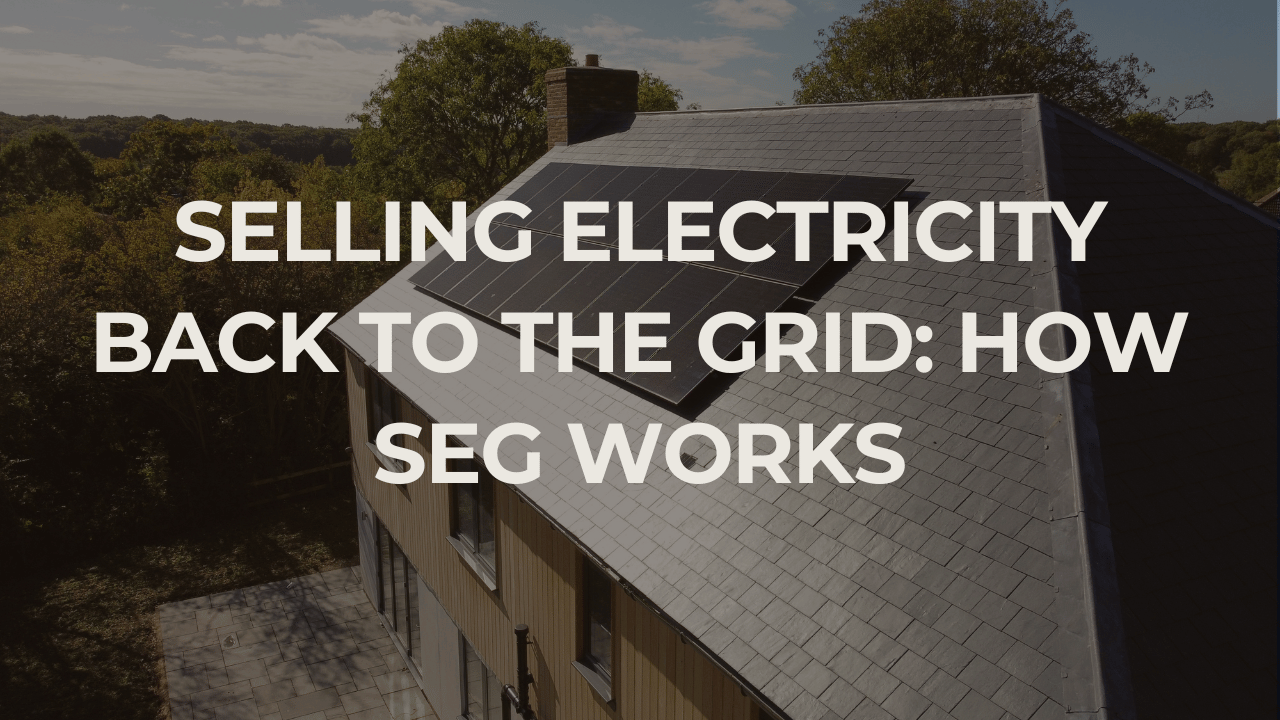
Electricity generated by the panels is used by the property first. When the system produces more power than the home is using, the excess can be stored in a battery or exported to the electricity grid.
When the panels are not producing enough, the property draws the remaining electricity it needs from the grid.
A well-designed solar panel system can therefore reduce the amount of grid electricity you purchase. The level of benefit depends on several factors, including:
- The size and orientation of your roof
- Shading from trees, chimneys or neighbouring buildings
- The number and output of the panels
- How much electricity your household uses
- Whether electricity is used while the panels are generating
- Whether the system includes battery storage
Solar panels are suitable for many types of UK home. South-facing, unshaded roofs generally provide the strongest generation, but east-facing and west-facing installations may also be worthwhile. A property-specific assessment is more useful than relying on a generic savings estimate.
How solar panels reduce fossil fuel reliance
Solar panels reduce the amount of electricity a household needs to import from the grid.
They can also supply some of the electricity used by a heat pump or electric vehicle. This allows more of your household heating and travel to be powered by renewable generation.
Solar panels will not usually make a UK home completely independent from the grid. Generation changes throughout the day and across the seasons, with much less electricity produced during winter.
Their main value comes from reducing imported electricity rather than eliminating it entirely.
Best next step: Arrange a solar assessment based on your roof, location and actual electricity consumption.
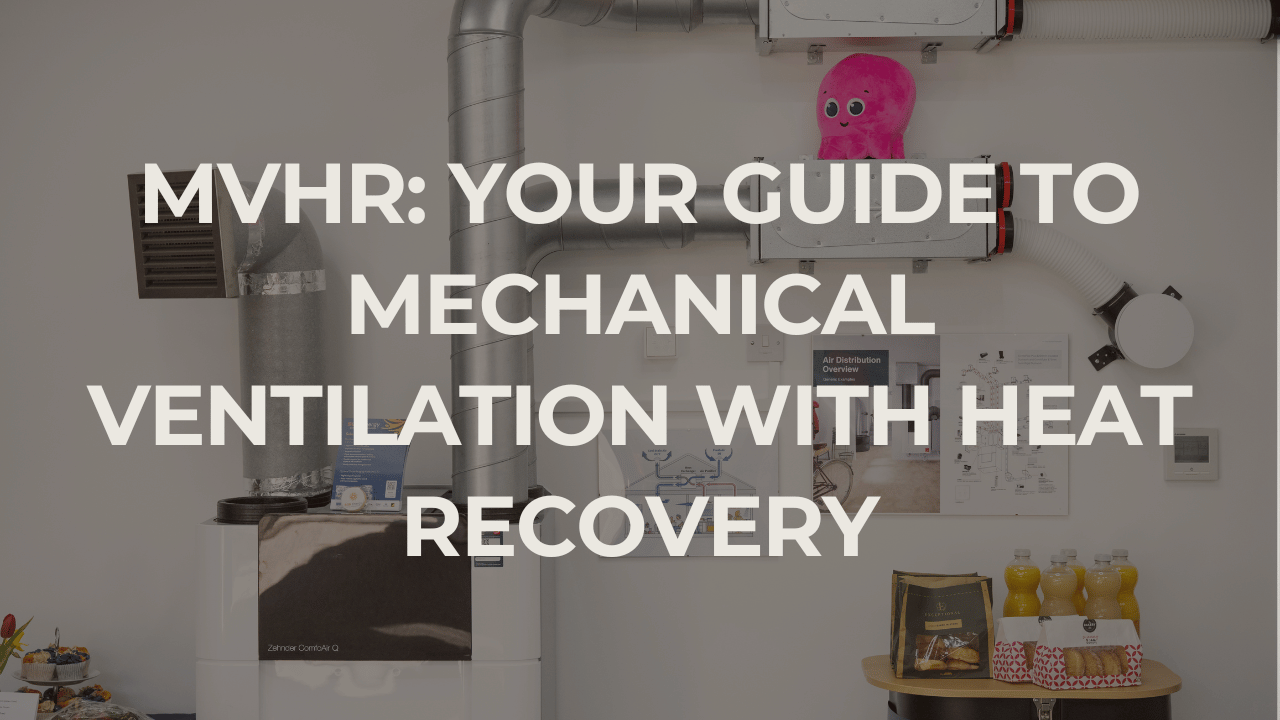
2. Replace fossil fuel heating with a heat pump
Heat pumps provide heating by transferring existing heat from the air, ground or water into a building.
Unlike a gas or oil boiler, they do not create heat by burning fuel at the property.
The two main types used in UK homes are air source heat pumps and ground source heat pumps.
Air source heat pumps
An air source heat pump extracts heat from the outside air.
It usually requires an outdoor unit and is generally easier and less disruptive to install than a ground source system.
Ground source heat pumps
A ground source heat pump collects heat through pipework installed underground.
Ground temperatures are more stable than air temperatures, so a well-designed ground source system may achieve greater seasonal efficiency. However, it normally requires more land, excavation work and a higher initial investment.
Heat pumps can produce several units of heat for each unit of electricity they consume. Their real-world performance depends heavily on the quality of the system design, the building's heat loss, radiator or underfloor heating requirements, flow temperature, controls and how the system is operated.
Is a heat pump suitable for every home?
Heat pumps can work in many types of UK property, but they should not be treated as a simple like-for-like boiler replacement.
Before recommending a system, an installer should consider:
- The property's calculated heat loss
- Existing insulation and draught proofing
- Radiator sizes or underfloor heating
- Available outdoor or ground space
- Hot water requirements
- The existing heating system
- The temperature at which the system must operate
Improving insulation may reduce the amount of heat a home needs. This may allow a smaller and more efficient system to be specified.
Can solar panels power a heat pump?
Solar panels can provide some of the electricity used by a heat pump, particularly during daylight hours.
However, heating demand is highest during the colder and darker parts of the year, when solar generation is lower.
A heat pump will normally use grid electricity at times when the panels are not generating enough. Battery storage and a suitable electricity tariff may help shift some energy use, but they cannot remove the seasonal difference between solar generation and heating demand.
Battery storage can save surplus daytime electricity for use by a heat pump later in the day.
Current financial support
Funding depends on where the property is located, the technology being installed and the heating system it replaces.
As of August 2026, eligible households in England and Wales may receive the following support through the Boiler Upgrade Scheme:
- £7,500 towards an air-to-water heat pump
- £7,500 towards a ground source or water source heat pump
- £2,500 towards an air-to-air heat pump
- Up to £9,000 for eligible off-gas-grid properties replacing oil or LPG heating with an air-to-water or ground source heat pump
The additional support for qualifying off-gas-grid properties is available until 31 March 2027. Eligibility conditions apply, and the application is normally managed by an MCS-certified installer.
Homeowners in Scotland may be able to receive support through the Home Energy Scotland Grant and Loan scheme. Grant funding of up to £7,500 may be available for qualifying heat pump installations, with a higher maximum for eligible rural and island properties. Optional interest-free loan funding may also be available.
Funding rules can change, so current eligibility should always be checked before installation work begins.
Best next step: Begin with a room-by-room heat loss assessment rather than selecting a heat pump based only on the size of the property.
3. Replace petrol or diesel journeys with an electric vehicle
A fully electric vehicle runs on electricity rather than petrol or diesel and produces no exhaust emissions while being driven.
Manufacturing an electric vehicle, particularly its battery, has an environmental impact. However, UK Government analysis states that a typical electric vehicle produces around two-thirds fewer greenhouse gas emissions over its lifetime than an equivalent petrol car. This includes emissions from vehicle production, battery production and disposal.
The environmental benefit should improve as electricity generation becomes cleaner.
Charging from home solar panels can also reduce the amount of grid electricity used, although the vehicle must be connected while sufficient solar power is available.
Why install a dedicated home EV chargepoint?
A professionally installed home chargepoint provides a safer and more convenient way to charge than regularly relying on a standard domestic socket.
Depending on the charger, vehicle and electricity tariff, a home charging system may also allow you to:
- Schedule charging during off-peak periods
- Prioritise surplus solar generation
- Monitor charging and energy consumption
- Limit demand to protect the property's electrical supply
- Integrate charging with a wider home energy system
Home charging is generally cheaper than regular use of public chargepoints. To install a private home chargepoint, you will normally need access to a driveway or garage.
An electric vehicle does not need to be charged directly from solar panels to provide an environmental benefit. Solar integration is an additional advantage rather than a requirement.
Best next step: Compare your annual mileage, parking arrangements, electricity tariff and typical charging times before choosing a charger.
4. Store electricity for later use with a home battery
A home battery stores electricity so that it can be used at another time.
When installed with solar panels, it can capture surplus electricity generated during the day rather than immediately exporting all of it to the grid.
The stored electricity can then be used in the evening, overnight or when solar generation is low.
A battery can also be installed without solar panels. With a suitable time-of-use tariff, it may be charged when grid electricity is cheaper and used during more expensive periods.
How battery storage can reduce grid reliance
Battery storage does not generate renewable energy. Instead, it helps a household control when generated or imported electricity is used.
A battery may help you:
- Use more of your own solar electricity
- Import less electricity during peak-price periods
- Charge from the grid when electricity is cheaper
- Supply some of the electricity used by a heat pump
- Charge an electric vehicle using stored solar or off-peak energy
The financial result depends on the battery size, usable capacity, household consumption, solar generation, tariff structure and expected battery lifespan.
A larger battery is not automatically better. An oversized system may regularly sit partly unused. Energy Saving Trust recommends considering your household's energy use as part of choosing an appropriate storage system.
Does a home battery provide power during a power cut?
Not every battery installation will continue powering a property during a grid outage.
Backup operation normally requires compatible equipment and must be included in the system design.
Ask your installer:
- Whether backup power is included
- Which circuits would remain available
- How much power the system could provide
- How long the stored energy might last
- Whether the system can restart without the grid
Best next step: Base the battery specification on household consumption data rather than choosing one solely by price or headline capacity.
Which improvement should you make first?
There is no universal installation order. The most appropriate first step depends on what you are trying to achieve.
To reduce purchased electricity
Solar panels are often a logical starting point where the property has suitable roof space.
To use more of your solar generation
Consider battery storage, smart controls or changing when high-demand appliances are used.
To replace gas or oil heating
Start with insulation, a heat loss calculation and a properly designed heat pump proposal.
To reduce petrol or diesel consumption
Consider whether an electric vehicle suits your travel needs. A home chargepoint may then be useful if off-street parking is available.
To create an integrated home energy system
Plan the technologies together wherever possible.
Future heat pump and electric vehicle demand can influence the appropriate size of the solar array, inverter, battery and electrical connection.
How the four technologies can work together
The greatest benefits may come from treating solar panels, battery storage, heating and transport as parts of one home energy system.
A typical system may work as follows:
- Solar panels generate electricity during daylight hours.
- The home uses the solar electricity first.
- Surplus generation charges the battery.
- Smart controls direct available electricity to appliances, a heat pump or an EV charger.
- The battery supplies stored energy after solar generation falls.
- The grid provides the remaining electricity when household demand exceeds generation and storage.
This will not normally make a home fully self-sufficient, particularly during winter.
It can, however, reduce imported electricity, replace direct fossil fuel use and give the household more control over when energy is purchased.
The right system starts with the property
Solar panels, heat pumps, EV charging and battery storage can all reduce fossil fuel reliance, but only when they are selected and designed around the property and its occupants.
Before investing, look for an installer who will:
- Assess the building and its energy use
- Explain expected performance without guaranteeing unrealistic savings
- Consider how different technologies will interact
- Provide an itemised proposal
- Explain warranties, maintenance and aftercare
- Confirm any permissions, network applications or certification required
Talk to SGS Energy
SGS Energy designs and installs solar panels, battery storage, heat pumps and EV charging systems for homes and organisations in Kent and Aberdeenshire.
Rather than recommending the same solution to every customer, the first step should be understanding your property, existing energy use and priorities.
From there, SGS Energy can help identify which improvement, or combination of improvements, offers the most practical route towards lower fossil fuel use.
Request a property-specific renewable energy assessment from SGS Energy.
Frequently asked questions
Can a UK home become completely independent from the grid?
It is technically possible in some circumstances, but it normally requires substantial generation, storage and backup capacity.
For most households, reducing grid consumption while retaining a grid connection is more practical and economical.
Do solar panels work during winter?
Yes. Solar panels generate electricity from daylight rather than heat.
However, shorter days and weaker sunlight mean winter output is normally much lower than summer output.
Should I install solar panels or a heat pump first?
It depends on the property.
Solar panels may be the easier first step where the roof is suitable. Where an existing heating system needs replacing, a heat loss assessment and heat pump design may take priority.
Planning both systems together can produce a better overall specification.
Is battery storage useful without solar panels?
It can be.
A battery may be charged during cheaper off-peak periods and used when electricity is more expensive.
Whether this is financially worthwhile depends on the tariff, consumption pattern, battery cost and expected lifespan.
Will these technologies always reduce my bills?
Not automatically.
Costs and savings depend on system design, installation quality, energy prices, tariffs and how the equipment is used.
Any proposal should include a property-specific estimate with its assumptions clearly explained.