How Do Solar Panels Work With Your Electric Bill?
If you’re considering solar panels for your home, you may be wondering: how do solar panels work with your electric bill?
The simple answer is that you will normally continue to receive an electricity bill after installing solar panels. However, because you can generate and use your own electricity, the amount you need to buy from your energy supplier could be significantly reduced.
Let’s look at how solar panels affect your electricity bill, why you may still need power from the grid and how to make the most of the energy your system generates.
Understanding How Solar Panels Work
Solar panels capture energy from daylight and convert it into direct current electricity. An inverter then converts this into alternating current electricity, which can be used to power your home.
When your solar panels are generating electricity, your home will use this energy first. This reduces the amount of electricity you need to import from your energy supplier and can lower the usage charges shown on your bill.
The amount you save will depend partly on how much of your solar electricity you use while it is being generated.
How Do Solar Panels Work With Your Electric Bill?
Solar panels do not usually replace your electricity bill completely. Instead, they reduce the amount of electricity you need to purchase from the grid.
Your electricity bill may still include:
- Electricity imported when your panels are not generating enough power
- A daily standing charge
- VAT and any other charges included in your tariff
Most electricity tariffs include a standing charge that applies regardless of how much electricity you use. This means you may still have something to pay even during months when your solar panels produce a large proportion of your electricity.
What Happens to the Electricity You Don’t Use?
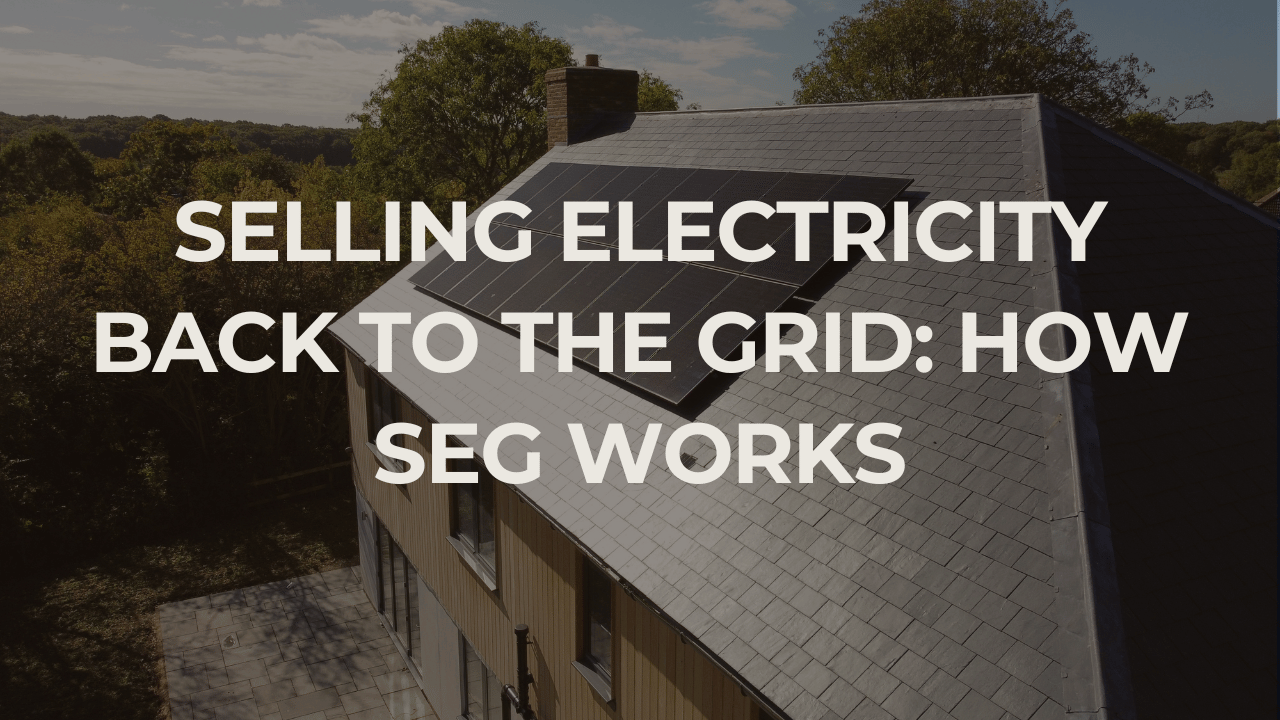
If your solar panels generate more electricity than your home needs at that moment, the surplus can be exported to the National Grid.
Through the Smart Export Guarantee, eligible households can receive payments from an electricity supplier for the metered electricity they export. You normally need to apply for a suitable export tariff, and the rate you receive will depend on the supplier and tariff you choose.
These export payments are separate from the savings you make by using your solar electricity at home. Depending on your supplier, they may be paid directly to you or shown as a credit on your account.
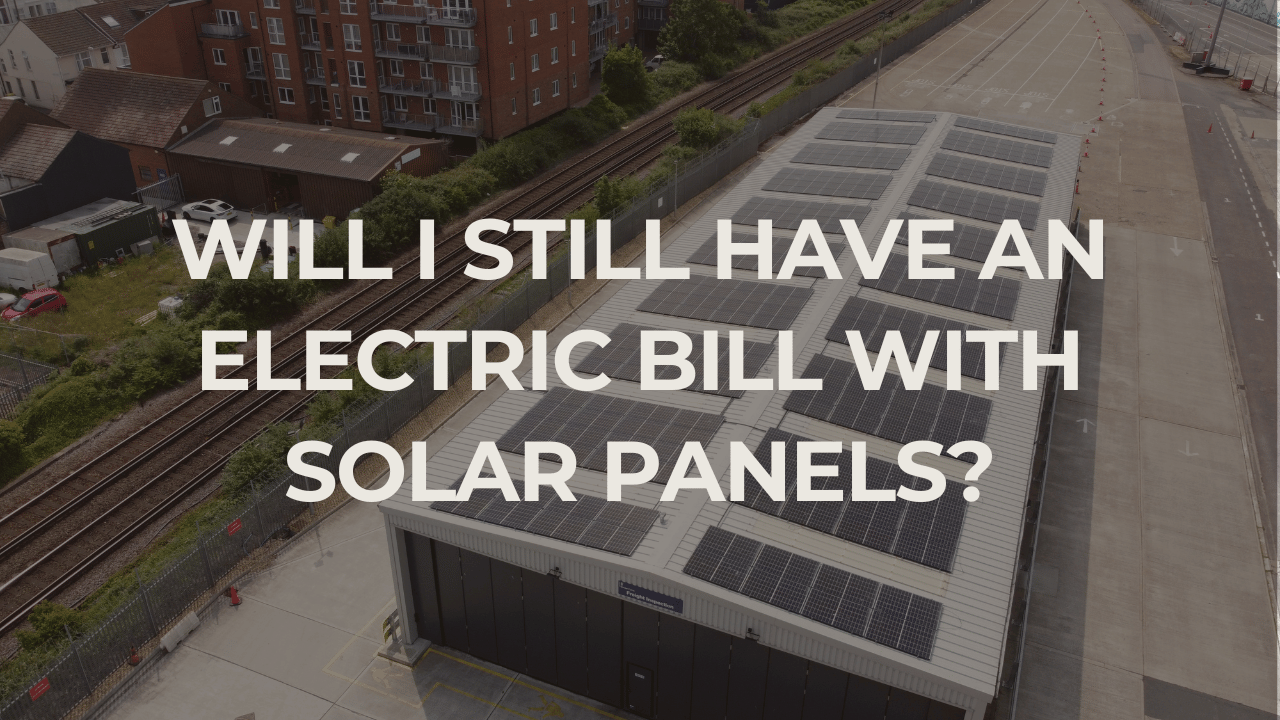
Why Will You Still Have an Electric Bill With Solar Panels?
There are several reasons why most households will continue to receive an electricity bill.
Your Electricity Use May Exceed Generation
If your household needs more electricity than the panels are producing, the additional power will automatically come from the grid.
This often happens at night, during periods of high electricity use and during the winter, when days are shorter and solar generation is generally lower.
You Will Usually Pay a Standing Charge
Most energy suppliers apply a daily standing charge to cover the fixed costs associated with supplying electricity to your property. This charge is normally payable even if you import very little electricity.
Solar Generation Changes Throughout the Year
Solar panels generate electricity throughout the year, but output varies depending on daylight, weather conditions, shading, roof orientation and the size of the system.
You are likely to generate more electricity during the spring and summer than during the winter. Your annual savings should therefore be considered across the full year rather than judged by one particularly sunny month.
How Much Could Solar Panels Reduce Your Electric Bill?
There is no single percentage that applies to every home. The effect solar panels have on your electric bill will depend on several factors, including:
- The size and expected output of your solar panel system
- Your roof’s orientation, pitch and level of shading
- How much electricity your household uses
- When you use electricity during the day
- Your electricity tariff and unit rate
- The export tariff available to you
- Whether you install battery storage
Using more electricity while your panels are generating can increase your savings because it reduces the amount of higher-priced electricity you need to import.
A reputable solar installer should provide a personalised estimate based on your property, electricity consumption and expected system performance rather than relying on a general savings percentage.
Tips for Maximising Your Solar Savings
Use More Electricity During the Day
Where practical, run appliances such as washing machines and dishwashers during daylight hours. This helps you use more of the electricity your panels generate instead of importing power later.
Always follow the appliance manufacturer’s safety guidance and avoid leaving unsuitable appliances running unattended.
Monitor Your Solar Generation
Many modern solar systems include an app or online monitoring platform. This can show how much electricity your panels generate and help you understand when your home is importing or exporting electricity.
Monitoring your system can make it easier to adjust your habits and identify any unexpected reduction in performance.
Choose the Right System
Work with an experienced solar installer to design a system suited to your roof, budget and household electricity use. A larger system may generate more electricity, but it should still be properly matched to your property and energy needs.
Consider Battery Storage
A home battery can store surplus solar electricity generated during the day so that you can use it later, including during the evening or at night.
This may reduce your reliance on grid electricity further. However, the financial benefit depends on the battery’s cost, usable capacity, lifespan and your import and export tariffs. Battery savings will not always be enough on their own to recover the full installation cost.
Maintain Your System Safely
Solar panels generally require relatively little maintenance. Rain will often remove light surface dirt from panels installed on a pitched roof, although occasional inspections may be helpful.
Do not climb onto your roof to clean the panels yourself. Any difficult-to-reach cleaning, inspection or repair work should be carried out safely by a suitable professional.
Solar Panels Can Still Be a Smart Investment
Although you will normally continue to receive an electric bill with solar panels, generating your own electricity can reduce the amount of power you need to purchase from the grid.
You may also be able to earn money from eligible surplus electricity through a Smart Export Guarantee tariff. Adding battery storage and changing when you use electricity could help you use more of the energy your panels produce, although the benefits will vary between households.
The best way to understand how solar panels could affect your electric bill is to obtain a personalised assessment based on your roof, location and recent electricity consumption.
Ready to explore solar for your home? Contact SGS Energy to discuss your requirements. Our team can design a solar panel system tailored to your property and provide an estimate of its expected generation and potential electricity bill savings.